

I completed Resident Evil 9: Requiem in 8 hours and 29 minutes on PS5 Pro. That was a deliberate first playthrough. I explored thoroughly, searched side rooms, read files, revisited areas for missed supplies, and still found myself pausing before opening certain doors because something felt wrong.
When the credits rolled, it did not feel short.
It felt precise.
Requiem is not trying to be the biggest Resident Evil ever made. It is trying to be the most disciplined. And that focus makes all the difference.
A Return to Controlled Horror
Resident Evil has experimented a lot over the past decade. First-person reinvention. Action-heavy escalation. Remake-driven nostalgia. Requiem feels like the point at which all that experimentation settles into confidence.
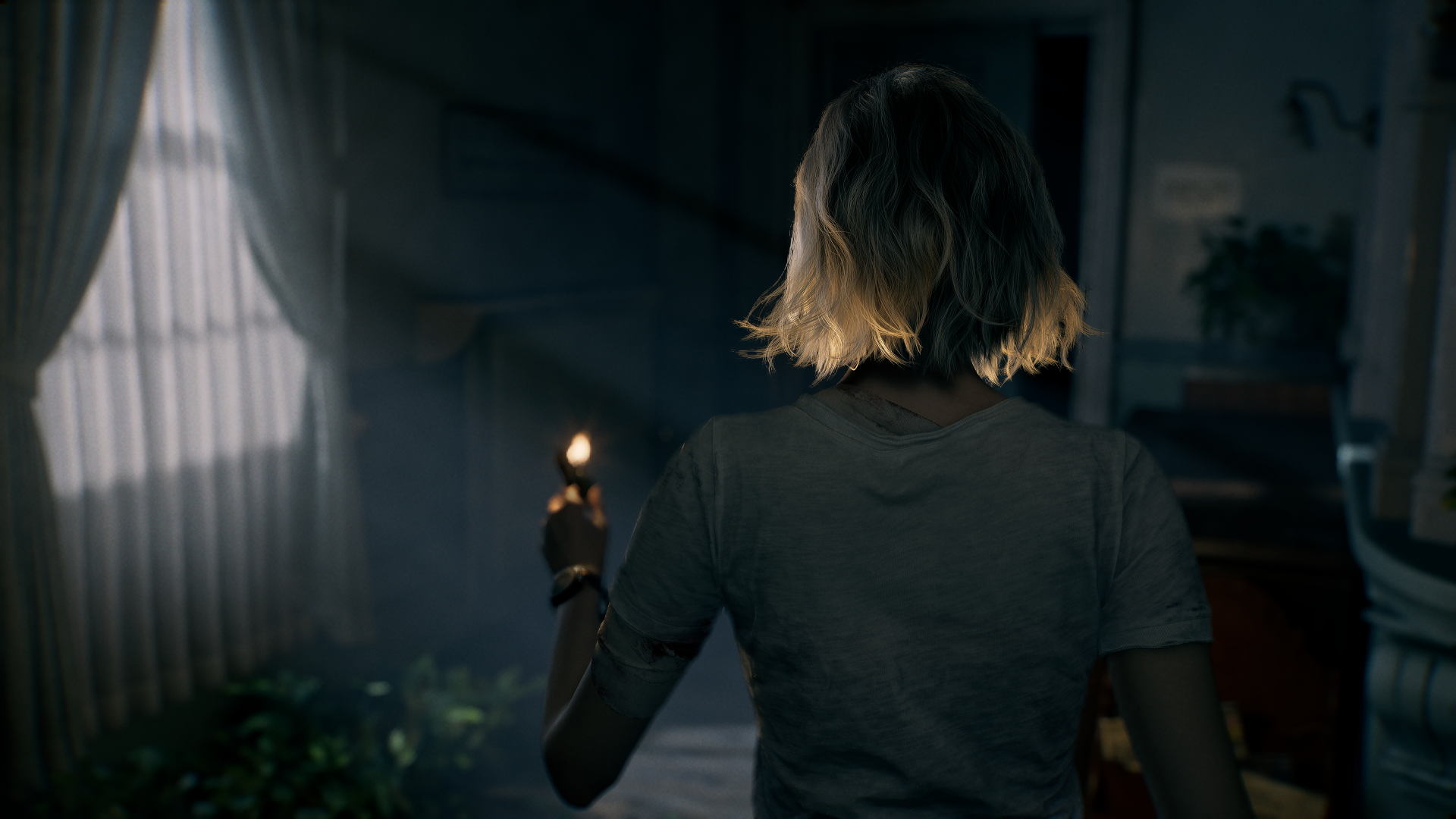
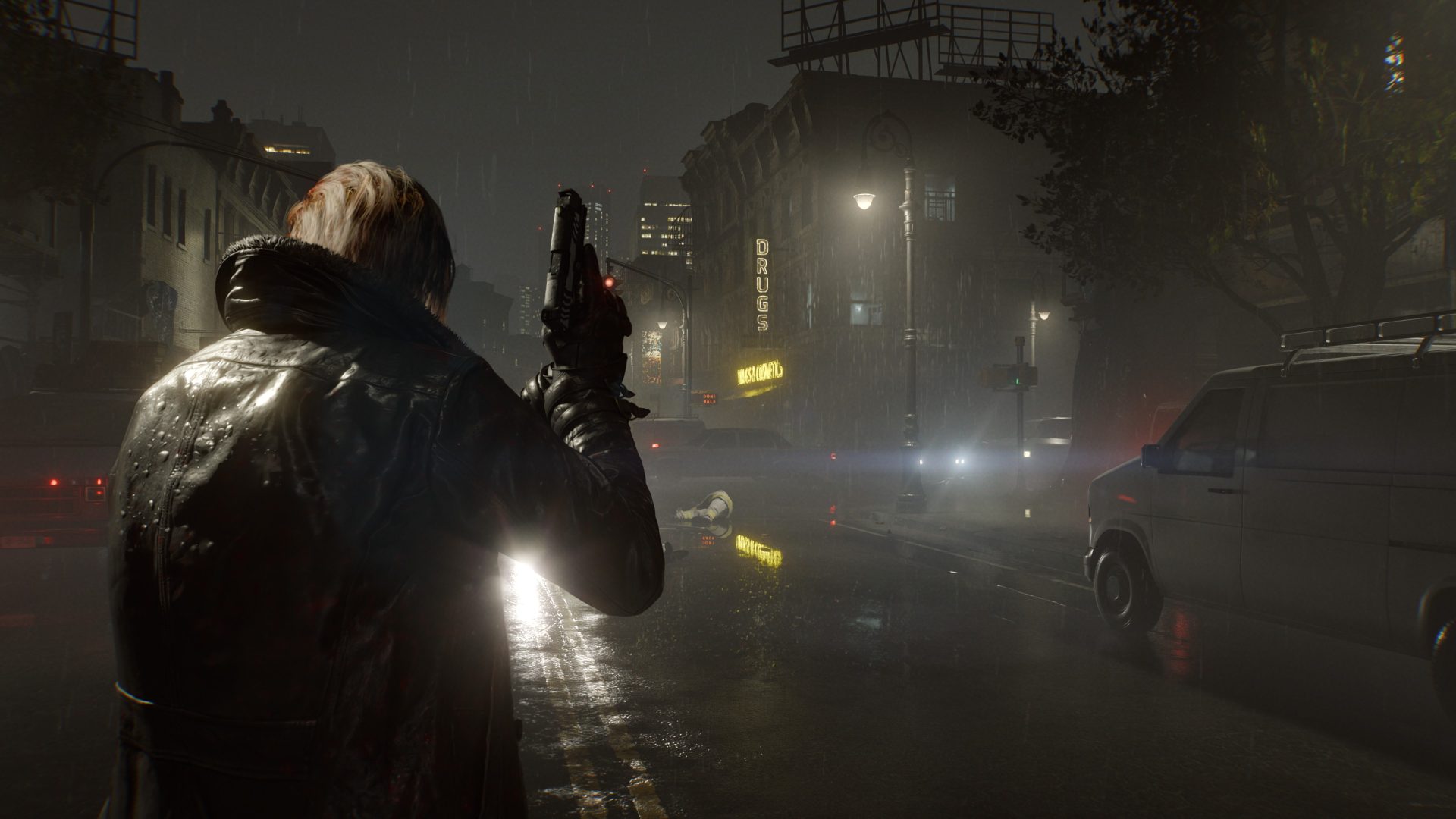
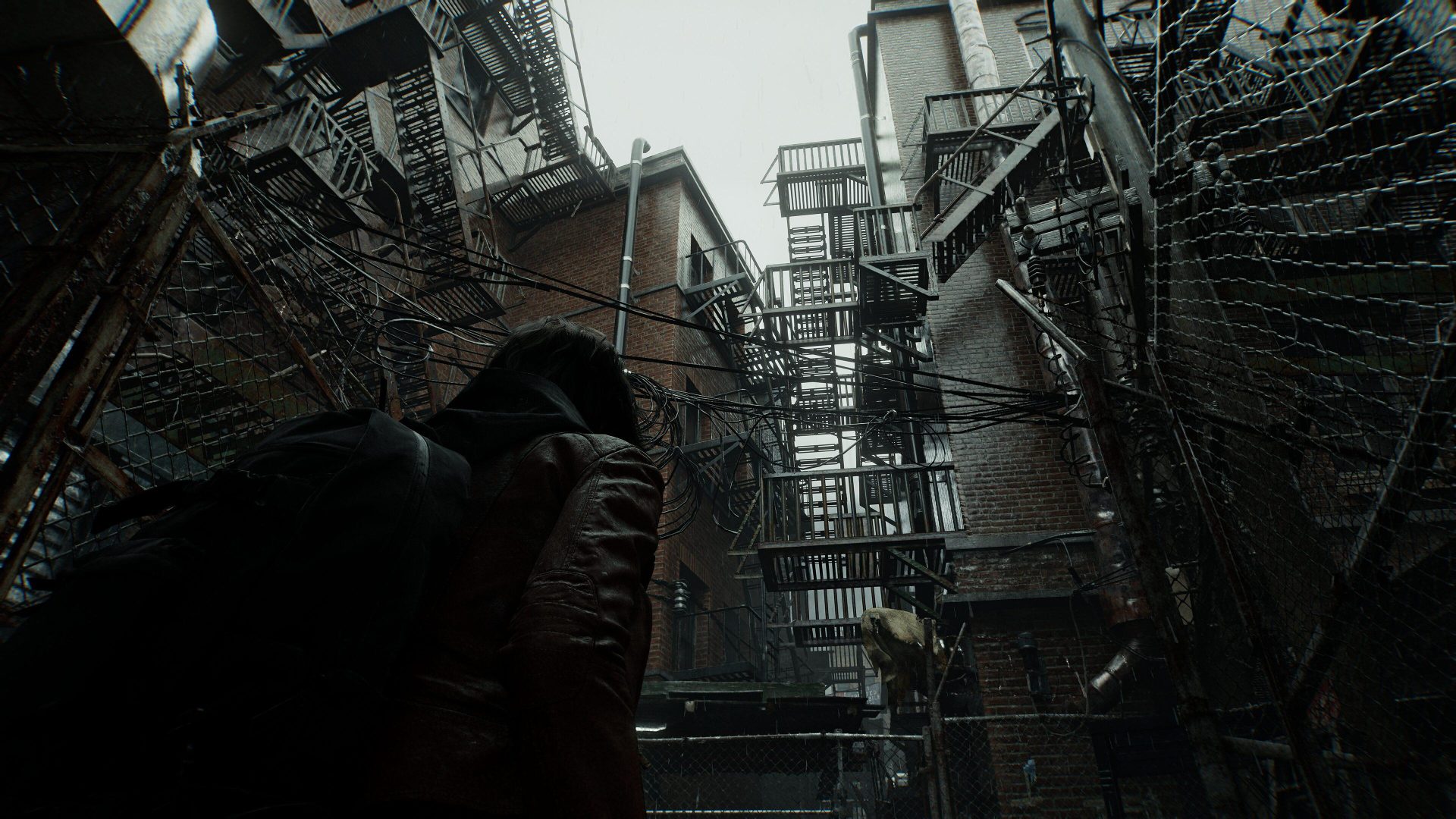
The setting moves away from gothic theatrics and leans into urban decay. Crumbling residential complexes. Flooded infrastructure. Medical facilities that feel abandoned in a hurry. The world feels plausible, and that plausibility makes it more unsettling.
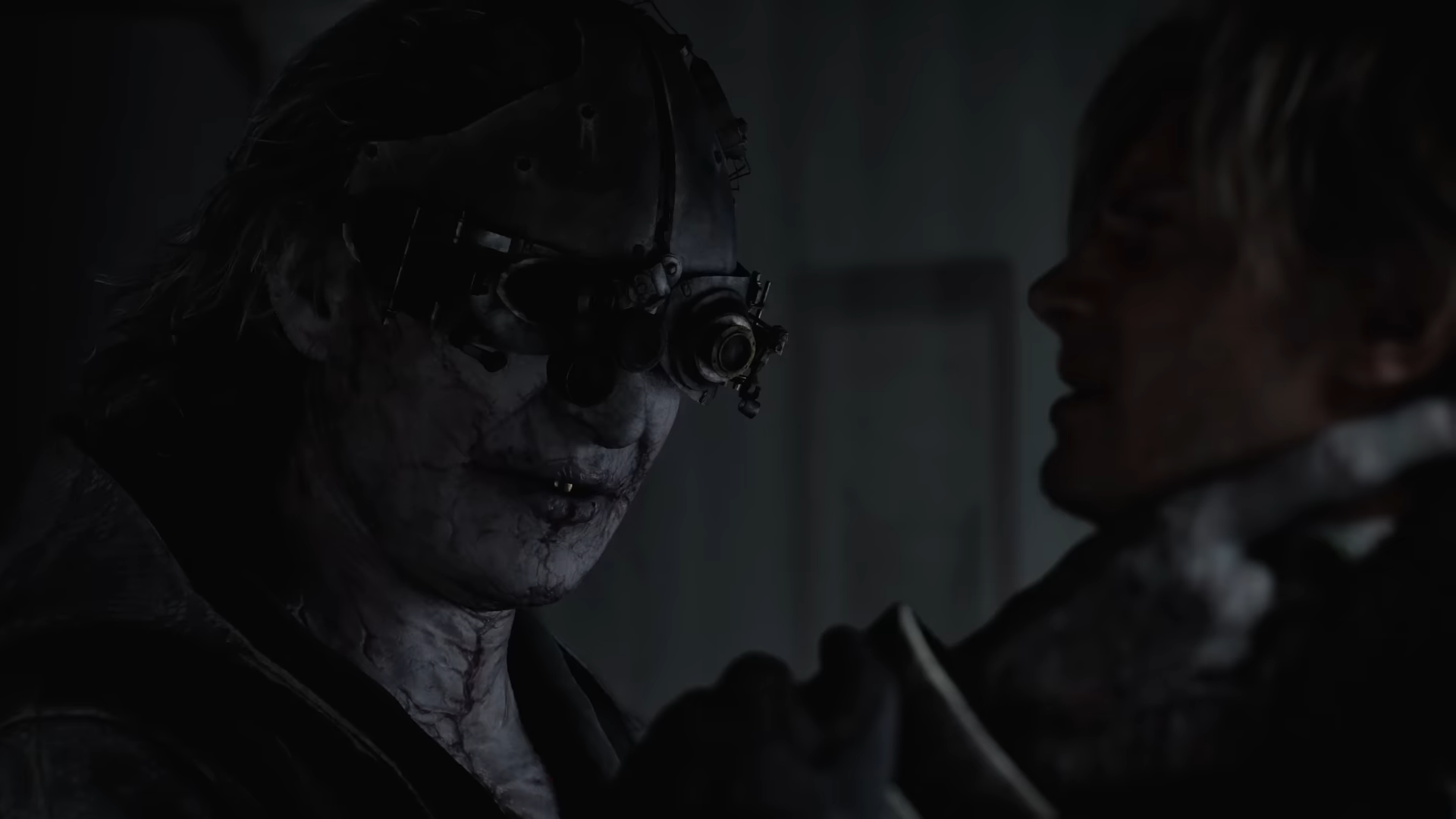
The game understands how to stretch silence. There are extended sequences where nothing dramatic happens, yet the tension never drops. Lighting does most of the work. Audio does the rest. The feeling that something could happen at any moment is more powerful than constant shocks.
Doors feel heavy again. Corridors feel tight. Open spaces feel unsafe.
This is a survival horror that respects pacing.
Level Design That Builds Anxiety
One of Requiem’s biggest strengths is how it layers its environments.
Areas loop back on themselves in smart ways. Shortcuts unlock gradually. Safe rooms feel genuinely earned rather than conveniently placed. The map design encourages exploration without turning into busywork.
Backtracking exists, but it feels purposeful. Returning to previously cleared areas is rarely comfortable. Enemy placement shifts. Environmental changes alter the mood. The game never lets you feel fully secure.
It keeps you slightly off balance the entire time.
Combat That Demands Awareness
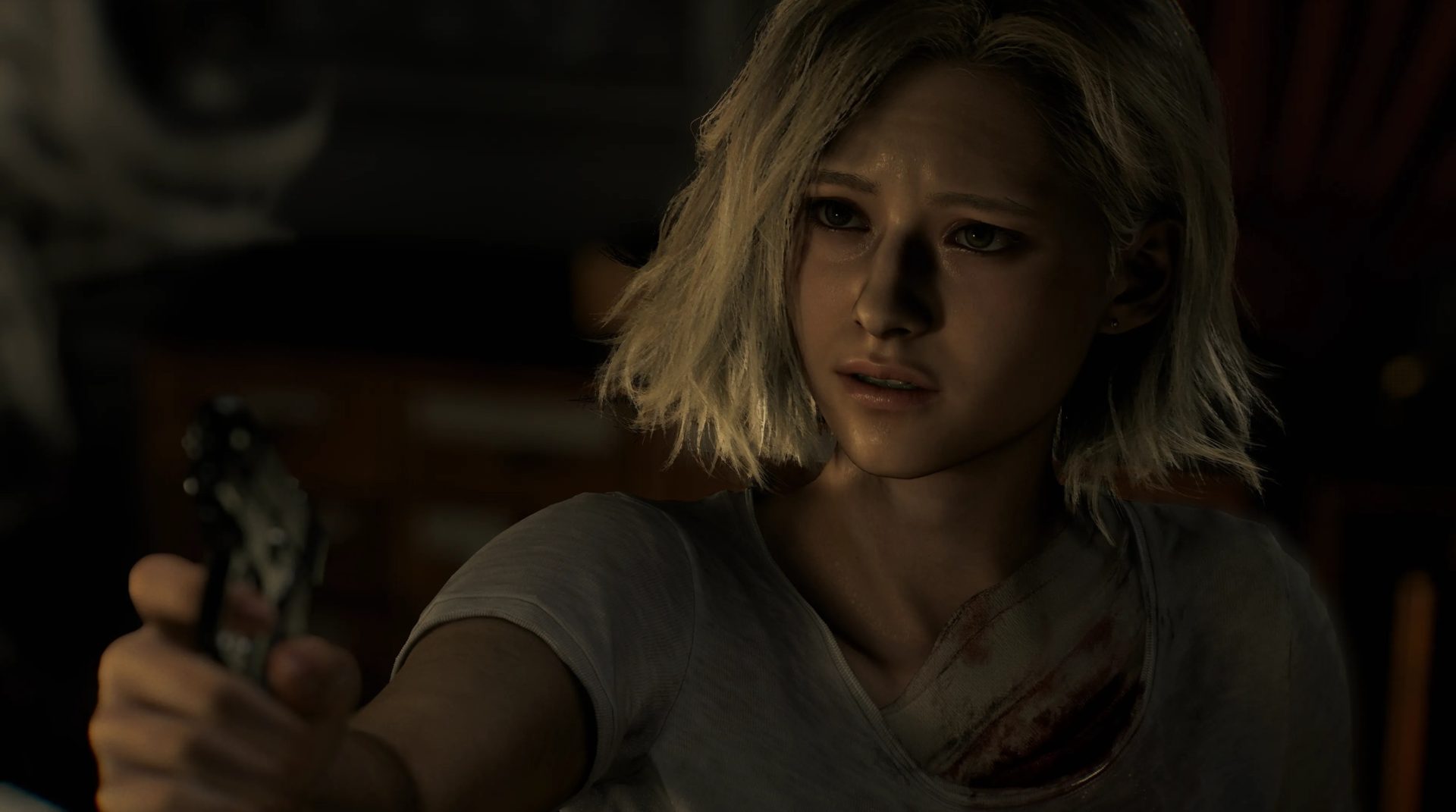
Gunplay is deliberate and weighty. On PS5 Pro, responsiveness is sharp, making precision satisfying but mistakes costly. Enemies are not damage sponges, but they are aggressive. They close space quickly and punish hesitation.
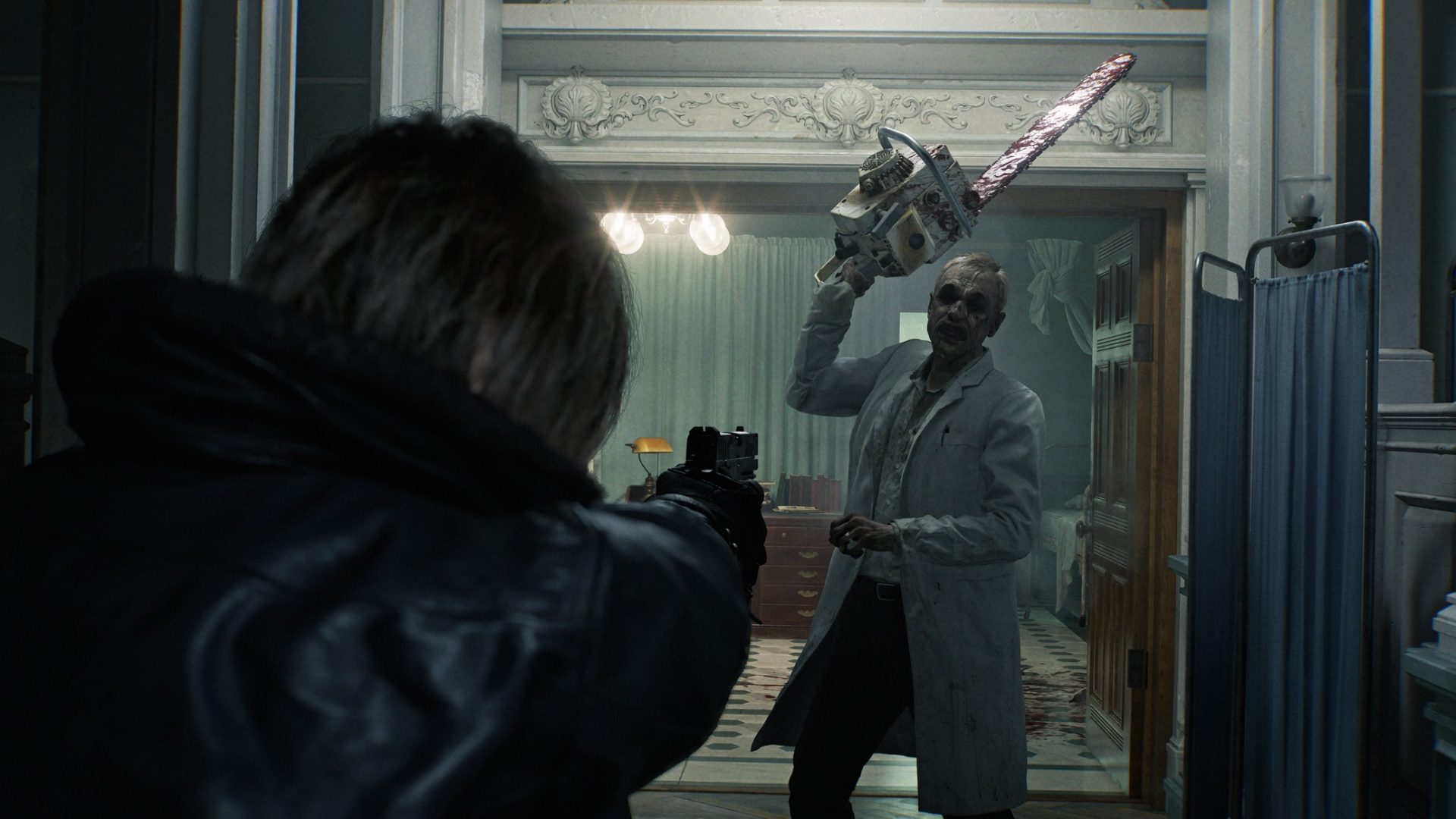
Encounters are designed around positioning. Tight hallways feel different from open rooms. Staircases become risk zones. Corners matter.
Several fights escalated unexpectedly because I misjudged spacing or overcommitted to a kill instead of repositioning. That kind of design forces you to think instead of react blindly.
Boss encounters deserve particular praise. They are mechanical rather than cinematic. You read patterns, exploit space, and manage limited resources. There is tension without absurd spectacle. They feel like extensions of the core gameplay loop rather than detached showpieces.
Even in its final act, Requiem refuses to abandon survival horror principles. It escalates intensity without turning into a shooter.
That restraint is rare.
Meaningful Narrative Threads
The story is focused and grounded, but what stands out most are the connections to the broader Resident Evil timeline.
Requiem contains numerous Easter eggs and references to earlier entries in the series. These are not surface-level nods placed for easy fan service. They are woven into documents, environmental storytelling, and specific narrative beats.
Longtime fans will recognise subtle callbacks that recontextualise events from earlier games. Certain threads that felt isolated in past entries gain new relevance here. It feels like the franchise is acknowledging its history in a way that strengthens the current narrative rather than distracting from it.
For newcomers, these details enrich the world. For veterans, they carry weight.
It feels like a culmination, not a coincidence.
PS5 Pro and PSSR 2.0
Resident Evil 9: Requiem is also significant on a technical level. It is the first game to launch with PSSR 2.0 on PS5 Pro.
The updated PSSR algorithm and neural network stem from Sony’s Project Amethyst collaboration with AMD. PC players have already seen the impact of that partnership through AMD’s FSR 4 upscaling technology, and this refined implementation brings those advancements directly to PS5 Pro.
In motion, the results are clear. Image sharpness is impressive without introducing instability. Fine detail holds up in low-light environments. Reflections remain clean. Texture clarity remains consistent even during movement-heavy sequences.
Across my entire playthrough, performance remained stable. Combat encounters stayed smooth. Load times were fast enough to maintain immersion. Nothing pulled me out of the experience.
Sony has also confirmed that in March, multiple existing games will receive upgrades to the improved PSSR alongside a system software update. PS5 Pro users will be able to enable an “Enhance PSSR Image Quality” option in settings for supported titles.
If Requiem is the early benchmark, the Pro hardware has a strong future ahead.
Pacing and Runtime
My first run ended at 8 hours and 29 minutes, and I wouldn’t change that at all.
It never felt like it was dragging its feet. I was never checking the clock, wondering how much was left. It just kept moving. Every section felt like it belonged there. Nothing felt stretched out to make the game longer.
There’s no padding. No random mechanics thrown in halfway through. No side content that feels like busywork. It stays focused the whole way.
You can absolutely replay it. Go for better ranks. Clean up your mistakes. Optimise routes. Find things you missed. But the first playthrough already feels satisfying on its own. It doesn’t depend on multiple runs to feel worthwhile.
What really stood out to me is that it doesn’t fall apart at the end. So many horror games build tension beautifully, only to lose it in the final stretch. Either they overdo the action, or they rush the ending.
Requiem doesn’t.
Final Thoughts
Resident Evil 9: Requiem is a masterclass in modern survival horror. It refines the lessons of the past decade while reconnecting with the spirit that made the series iconic.
On PS5 Pro, enhanced by PSSR 2.0, it is also one of the sharpest and most technically polished entries the franchise has seen.
A defining entry in the Resident Evil legacy and one of the strongest survival horror experiences of the generation.