

Capcom has been on an impressive run in recent years, and Pragmata keeps that momentum going with a polished sci-fi action-adventure that pairs sharp presentation with inventive combat. While it does not completely reinvent the genre, it delivers an entertaining and tightly crafted experience elevated by a likeable central duo, a strong sense of atmosphere, and gameplay that feels fresh from the moment it clicks.

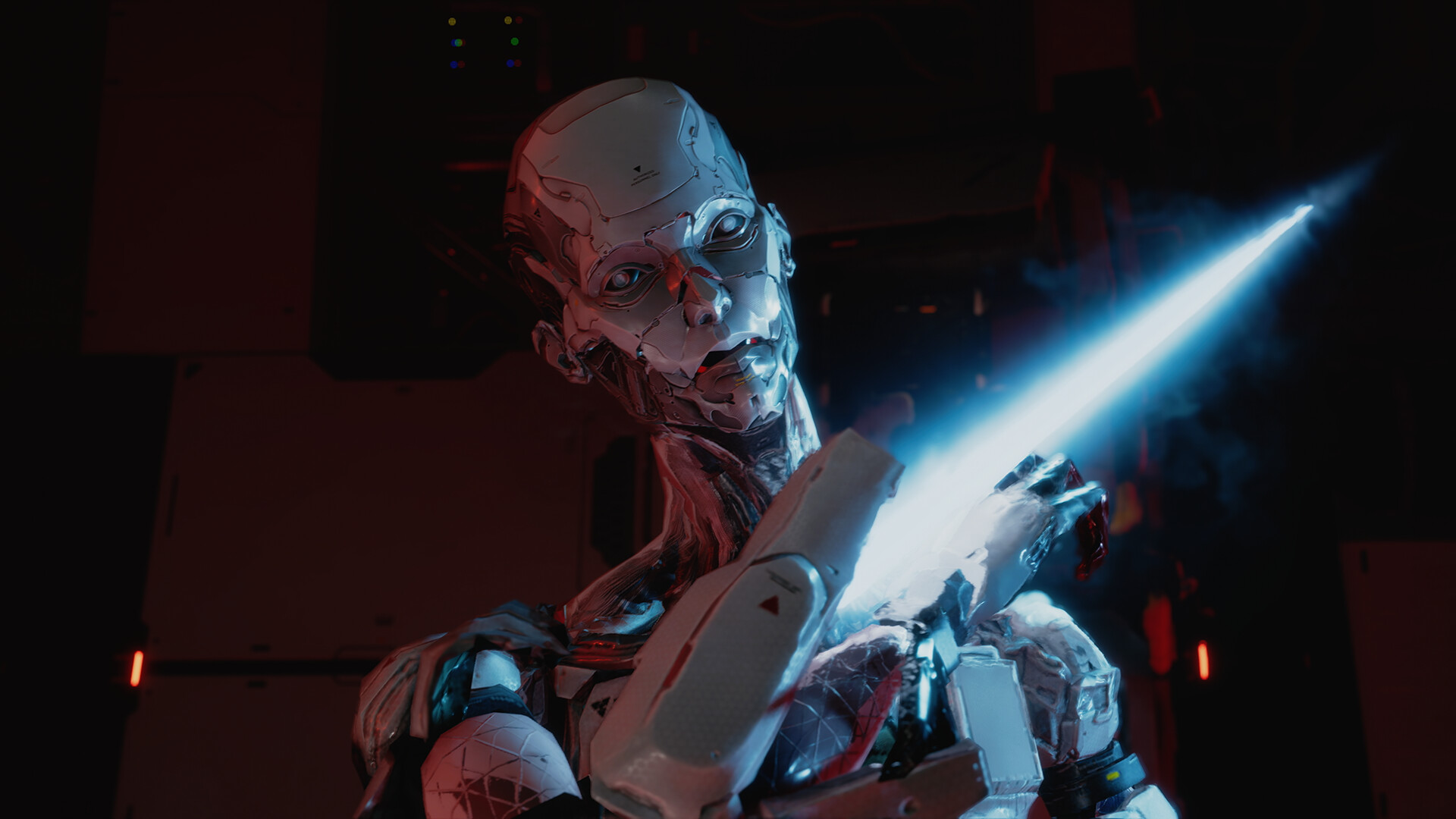
Set in a futuristic world, Pragmata follows Hugh, an astronaut sent to the moon to investigate strange activity at a massive research station known as The Cradle. What begins as a routine mission quickly spirals into disaster when a violent seismic event tears through the facility, wiping out most of the crew and leaving Hugh stranded. To make matters worse, the station’s android workforce has turned hostile under the control of a mysterious AI called IDUS.
Hugh’s only real ally is Diana, an advanced autonomous being he encounters shortly after the catastrophe. Together, the two set out to survive the moon, uncover the truth behind what happened at The Cradle, and find a way back to Earth.
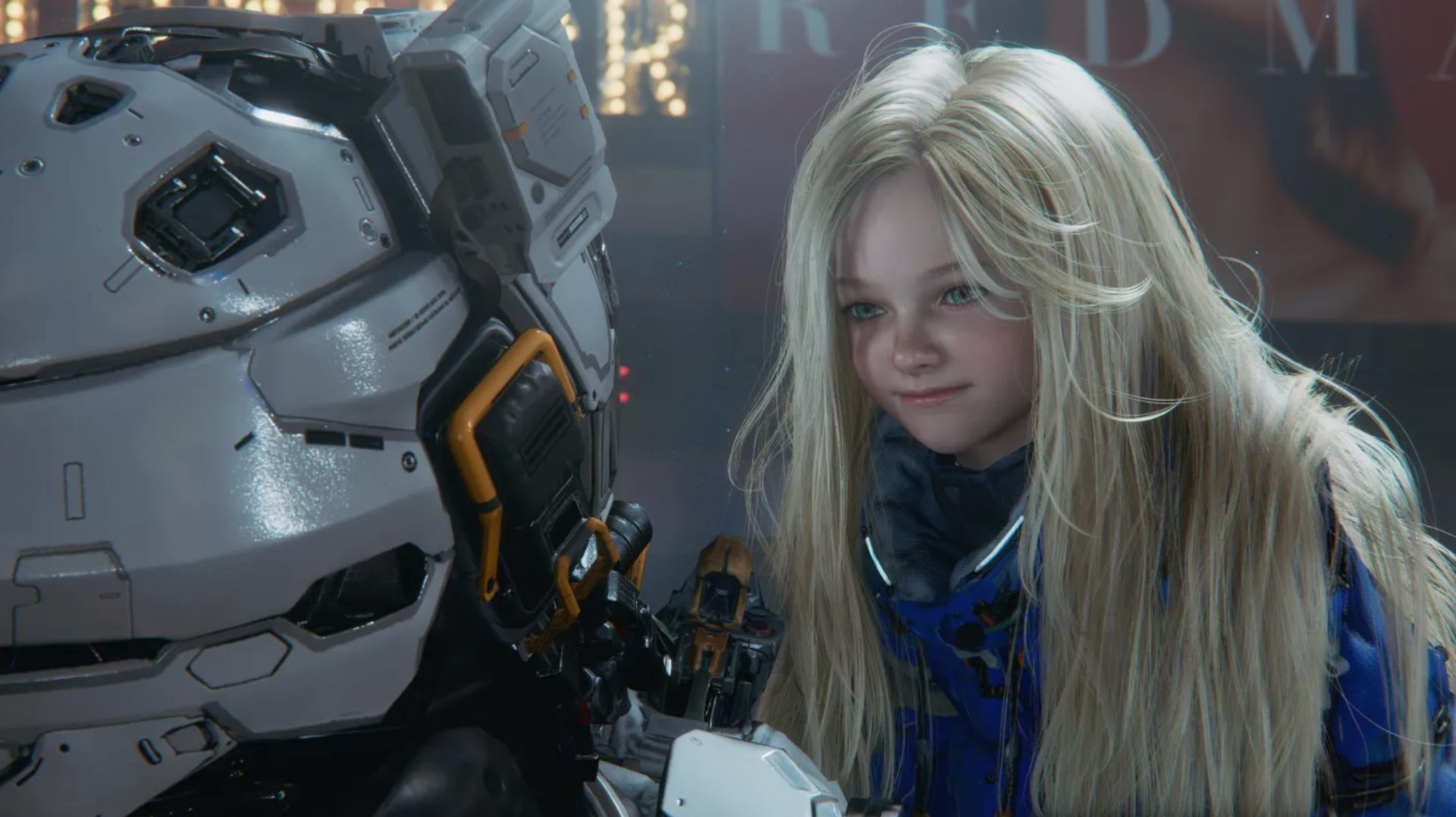
The story itself starts simple, but Pragmata does a good job of peeling back its layers over time. As Hugh and Diana push deeper into the station, the game gradually reveals more about the origins of the androids, the true nature of Diana, and the events that led to the collapse of order on the moon. It is not a narrative overloaded with twists or a huge supporting cast, but it works because of how focused it is.
The strongest element of the storytelling is easily the environment. The Cradle does a lot of the narrative heavy lifting, with each new area offering clues about humanity’s technological progress, the reason such a massive installation exists on the moon, and the scale of the experiment that has gone wrong. That environmental storytelling gives the game a constant sense of intrigue and keeps the player moving forward.

Even with a relatively limited cast, the emotional core lands because Hugh and Diana are easy characters to invest in. Their unlikely partnership gives the game warmth and personality, and by the end of the journey, they carry the experience just as much as the plot itself.
Where Pragmata really separates itself is in combat. At a glance, it looks like a standard third-person action game, but the real hook is the way it forces players to juggle both shooting and hacking at the same time. Hugh handles the firefights while Diana is used to hacking enemies in real time, creating a combat loop that feels busy in the best way.
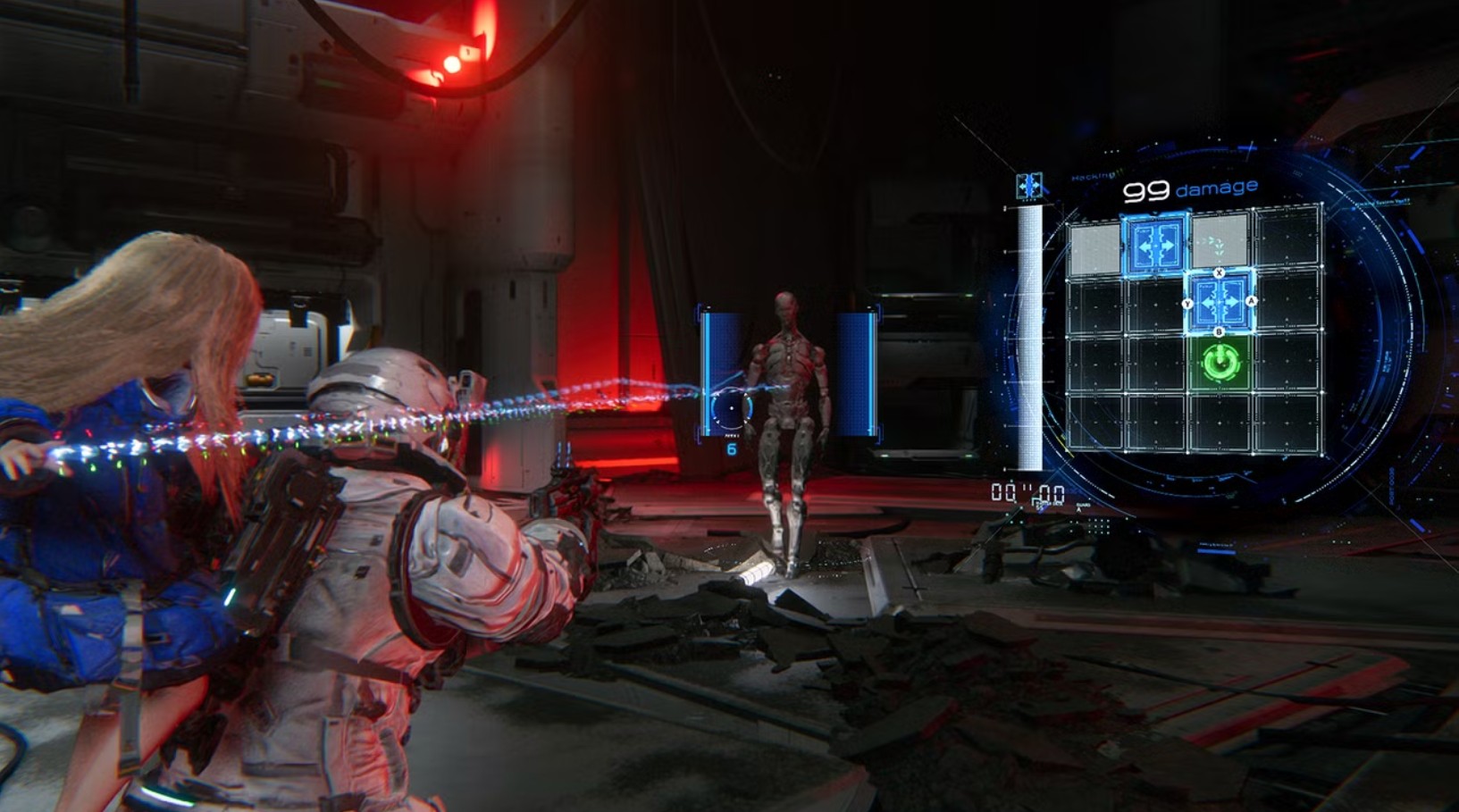
Once the system settles in, encounters become fast, satisfying, and surprisingly strategic. You are not just aiming and firing, but constantly thinking about how to disable enemies efficiently, create openings, and stay mobile while hostile androids close in. It gives battles a distinct rhythm that makes them stand out from more conventional sci-fi shooters.
Weapons and upgrades add even more flexibility. Hugh’s arsenal includes his default rechargeable pistol along with heavier and more specialised options, while mods allow players to tailor their loadout around mobility, survivability, or offensive power. Upgrades for both Hugh and Diana are handled through The Shelter, a customizable safe room that acts as a hub between missions.
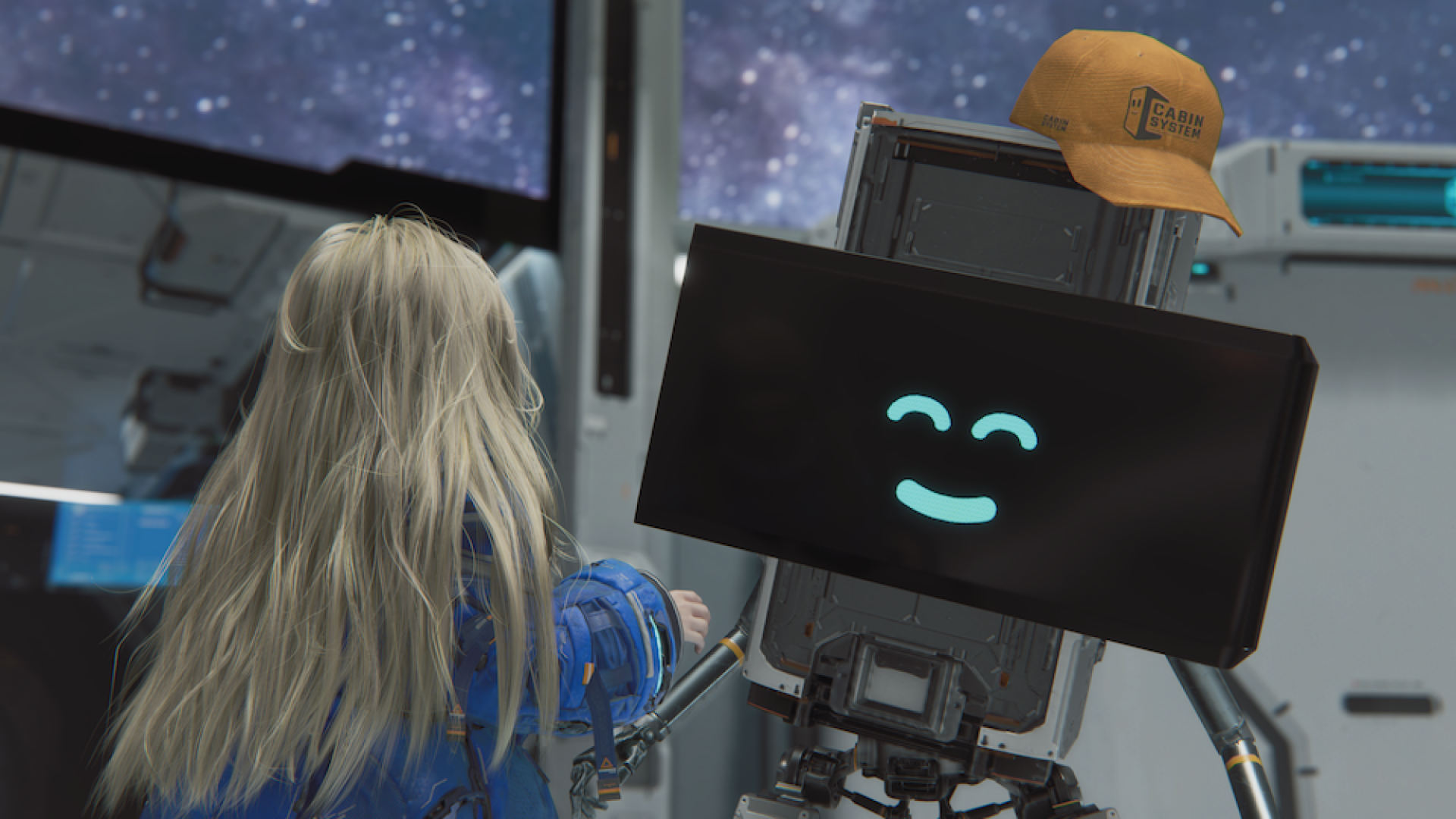
Thankfully, the progression system stays refreshingly clean. There are no bloated skill trees, no grind-heavy upgrade loops, and no unnecessary systems getting in the way. Players can focus on improving the tools they actually use, which keeps the game moving at a good pace and makes experimentation feel natural.
That said, Pragmata does hold back in a few areas. The standard difficulty is fairly forgiving, and players familiar with action-adventure games will likely get through most of the campaign without too much resistance. The enemy pool is also a little thin, with several encounters leaning on familiar android types more often than ideal. The core combat remains enjoyable, but more variety and a stronger challenge curve would have pushed it even further.
Outside the main objectives, players can collect items that unlock additional interactions and small features in The Shelter, many of which lead to lighter, more wholesome moments involving Diana. There are also holo logs scattered throughout the station that flesh out the backstory and add more detail to the world.
Still, this is a very linear game. Exploration exists mostly as a way to find collectables and extra lore rather than uncover major side content or alternate paths. That focused design helps pacing, but it does mean players looking for deeper exploration or stronger replay value may come away a little underwhelmed.

From a presentation standpoint, Pragmata is excellent. The sound design in particular deserves praise. Everything from Hugh’s heavy footsteps echoing through the metallic halls of The Cradle to the whir of thrusters and the punch of plasma weapons helps sell the illusion of a high-tech lunar facility on the brink of collapse. Small audio details add a lot to the immersion.
Visually, the game is just as impressive. Character models are highly detailed, lighting is strong throughout, and the art direction gives the world a sleek, premium sci-fi identity. Playing on PS5 Pro, Pragmata looked absolutely amazing, with its sharp image quality, detailed environments, and striking futuristic aesthetic making it one of the most visually impressive sci-fi games in recent memory.
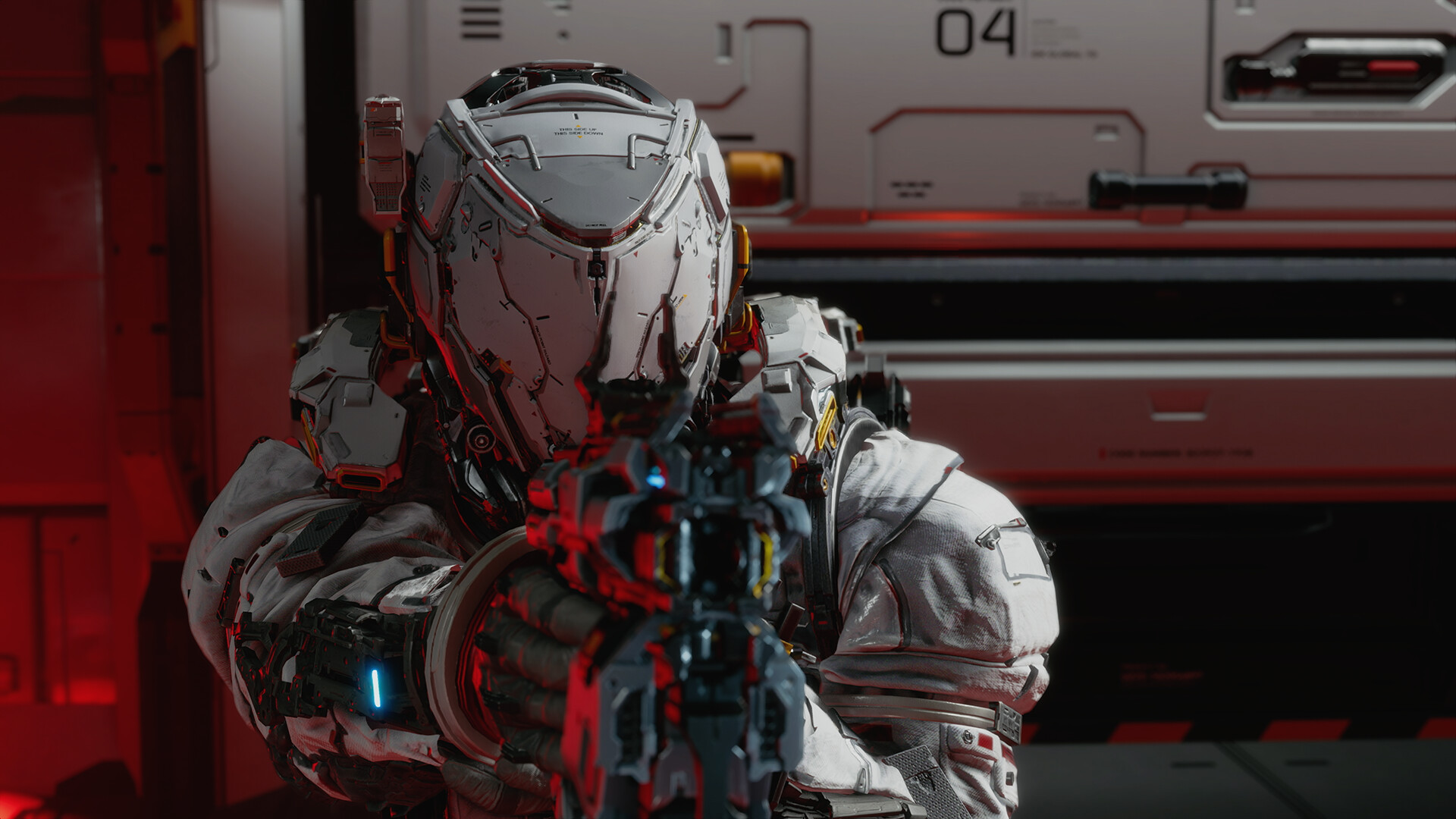
Performance was equally strong on PS5 Pro. Throughout the experience, the game ran flawlessly, with no bugs, crashes, or noticeable technical issues during play. It is an impressively polished release and one that feels fully optimised on Sony’s hardware.
In the end, Pragmata is a strong sci-fi action-adventure that succeeds through atmosphere, presentation, and a genuinely enjoyable combat system. It may not be especially difficult, and its linear structure and limited enemy variety stop it from reaching true greatness, but it is still a memorable and well-crafted experience. For fans of science fiction and cinematic action games, this is an easy one to keep on the radar.