

It has been a ridiculously long time since we had a proper new Onimusha game.
Capcom has brought plenty of its older franchises back over the years, but Onimusha has always felt like the one sitting in the corner waiting for somebody to remember it exists. Onimusha: Way of the Sword finally changes that, bringing the series back with a completely modernised combat system while still keeping enough of what made the older games special.
And thankfully, they haven’t just turned it into Dark Souls with samurai.
That was probably my biggest concern going into it.
We’ve had no shortage of difficult samurai action games over the last few years, so it would have been incredibly easy for Capcom to chase that trend and lose Onimusha’s identity in the process.
Instead, Way of the Sword feels like its own thing.
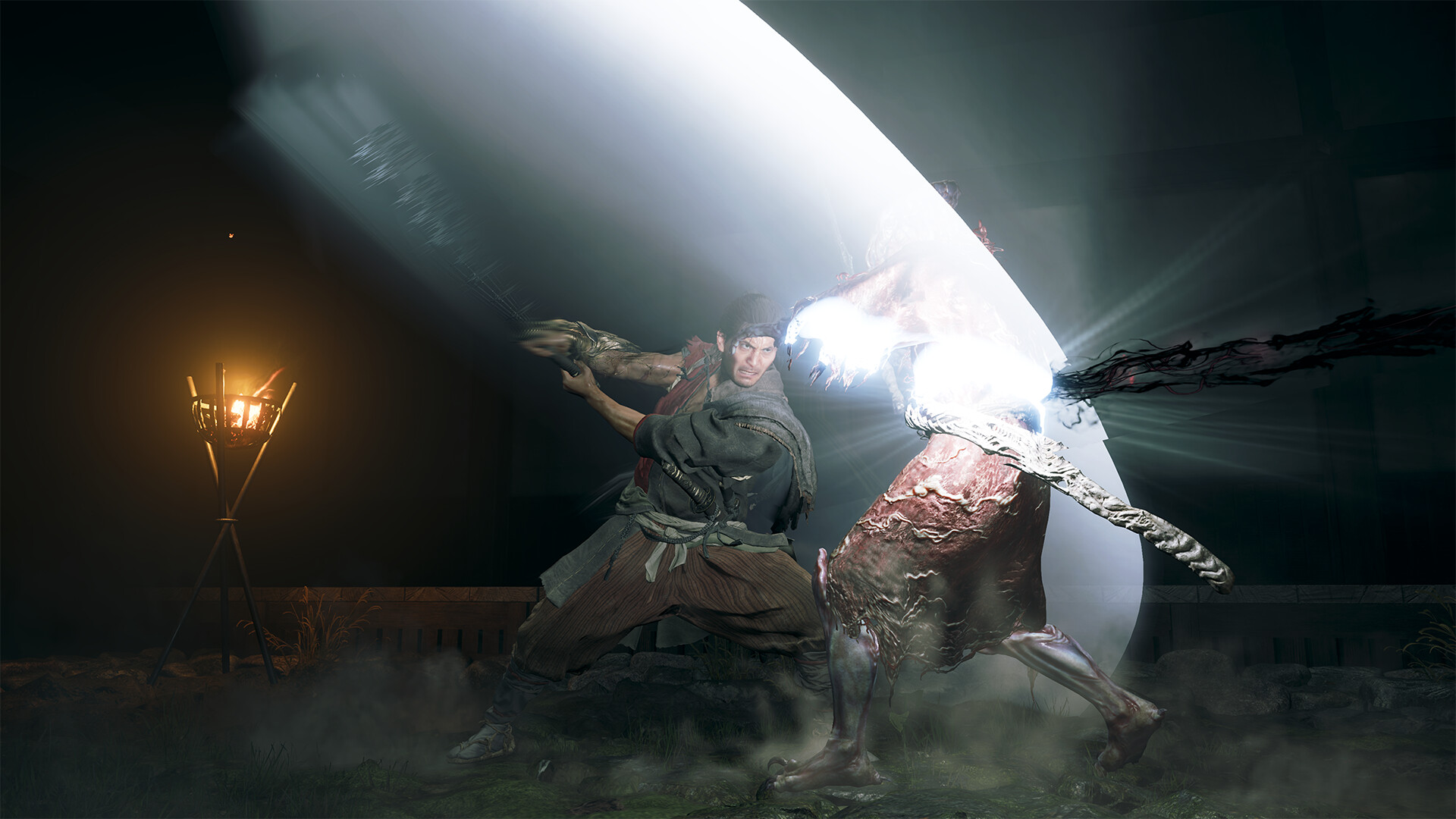
It’s fast, brutal, occasionally frustrating, surprisingly funny, and when the combat clicks, chopping through Genma is ridiculously satisfying.
Story
This time around we play as Miyamoto Musashi, the legendary swordsman pulled into Onimusha’s usual world of demons, supernatural nonsense, and people having a generally terrible time in feudal Japan.
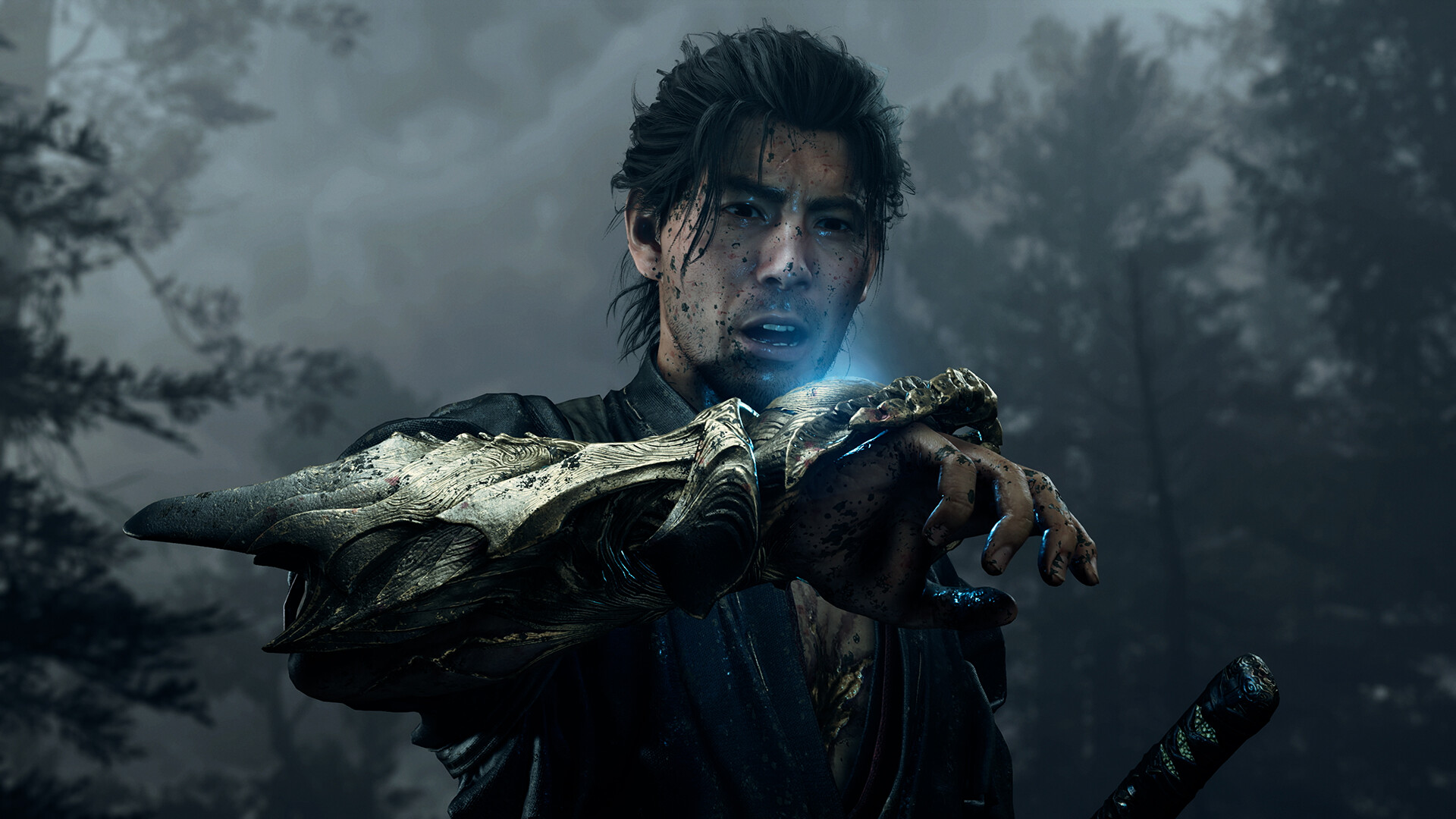
Musashi finds himself bound to an Oni Gauntlet after an encounter that very nearly kills him.
The problem is that he doesn’t particularly want it.
Musashi is incredibly proud of his abilities as a swordsman, so suddenly being given supernatural powers doesn’t exactly sit well with him. Rather than seeing the gauntlet as this amazing gift, he initially treats it as something interfering with his own strength.
That immediately gives him a bit more personality than the usual reluctant hero.
He’s cocky, sarcastic, and sometimes a complete idiot, but he’s also genuinely entertaining.
What I liked most is that Capcom doesn’t make him permanently miserable just because Kyoto is being invaded by demons. There are some properly dark moments throughout the story, but Musashi is allowed to be funny as well.
His relationship with the characters around him helps a lot.
Shizuka, the Oni spirit connected to his gauntlet, effectively becomes his unwilling partner throughout the adventure, while Okuni and Takamura give Musashi people to bounce off instead of having him wander around Kyoto talking to himself for 20 hours.
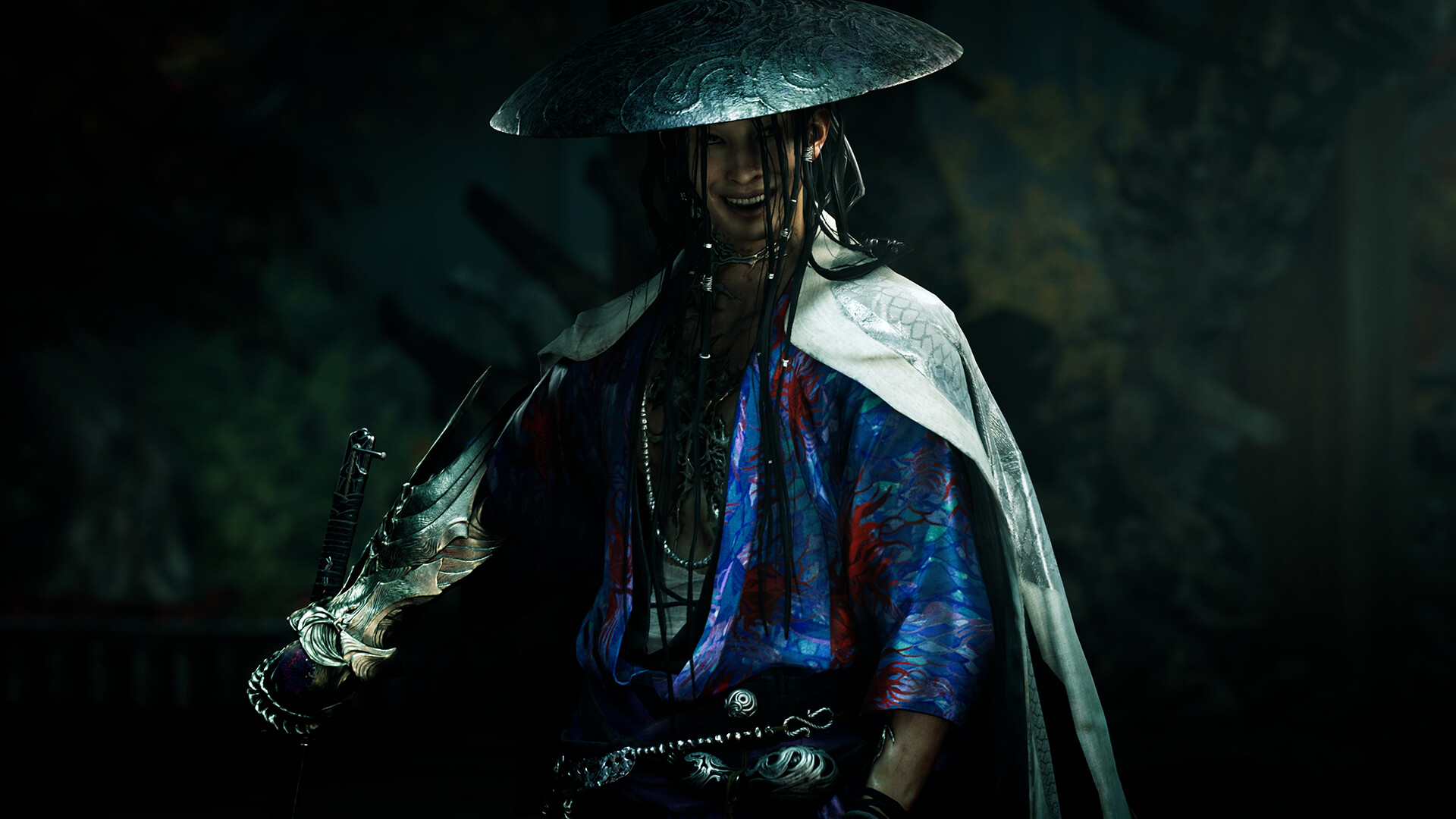
Then there’s Ganryu Sasaki.
Using Musashi’s real-world rivalry with Sasaki Kojiro as the foundation for part of the story works incredibly well, even if the game obviously takes some rather generous liberties with history.
The overall plot does get a little more complicated later on once the game starts throwing more Oni and Genma lore at you, but I enjoyed Musashi enough that I remained invested in what was happening.
Gameplay
This is where Way of the Sword absolutely shines.
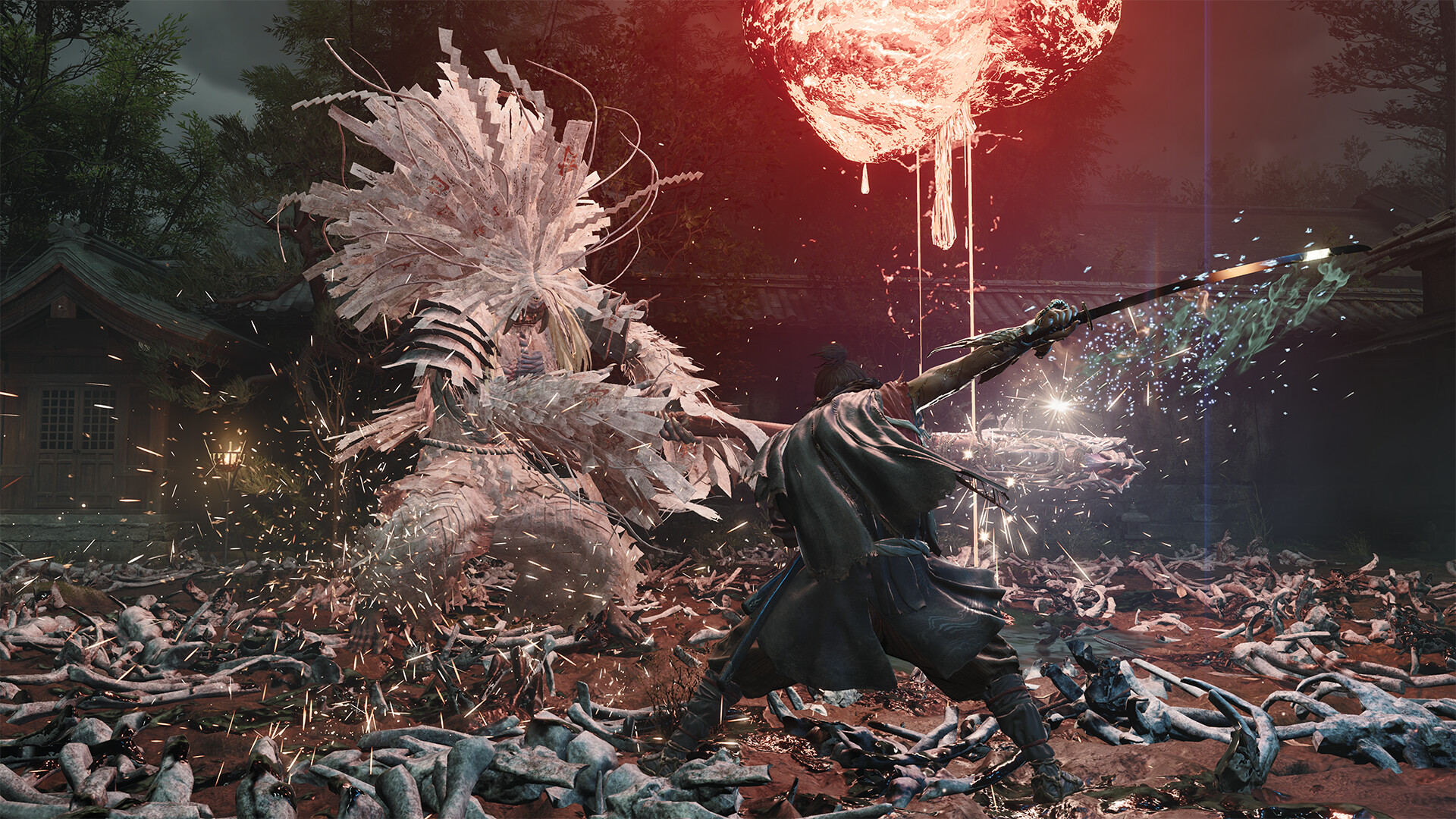
Combat revolves heavily around watching enemies rather than simply beating the attack button until something dies.
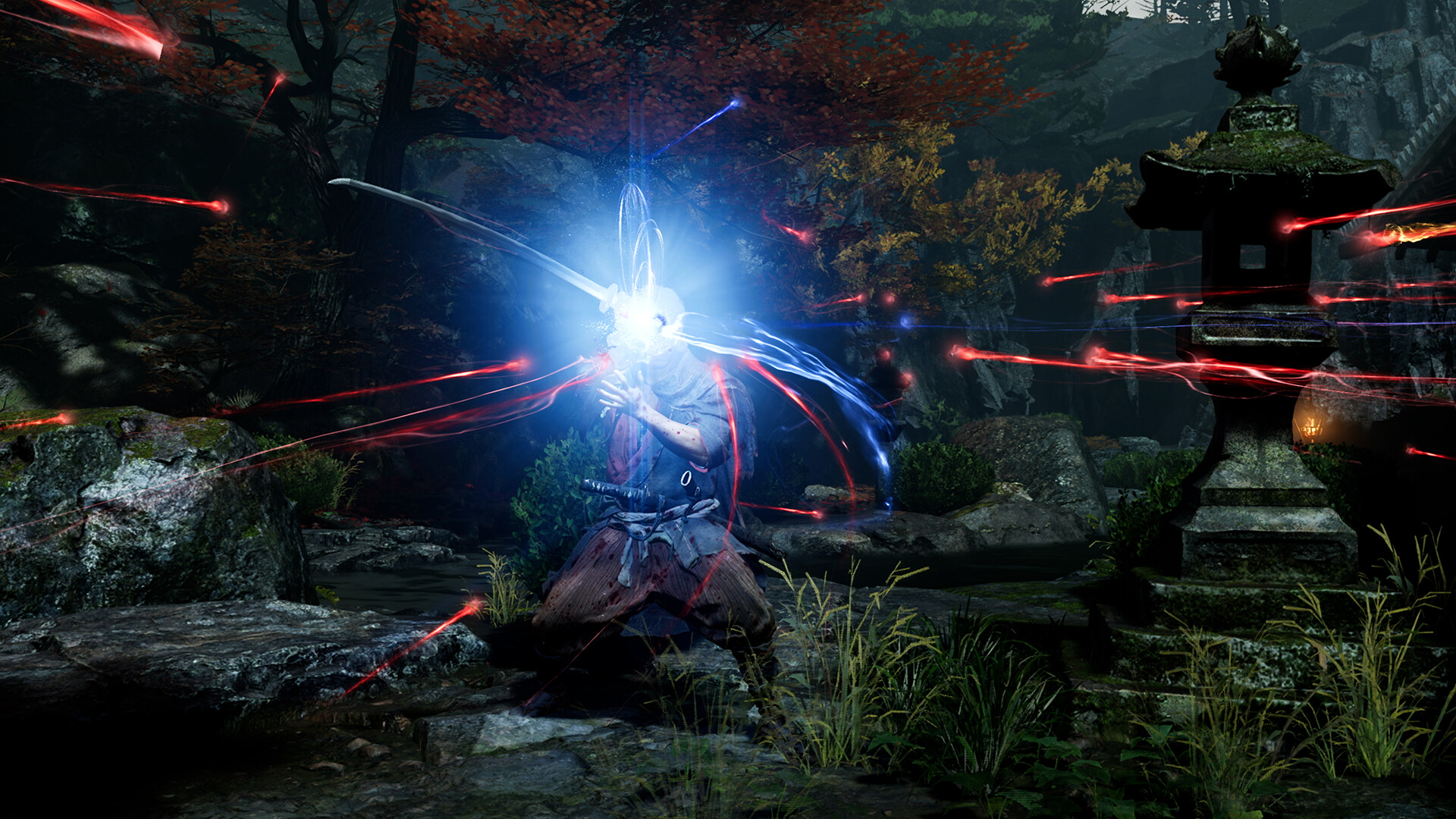
You can block, dodge, parry, deflect attacks, and perform the returning Issen counter, which rewards you for attacking at exactly the right moment.
And when you pull one off properly, it feels fantastic.
There is something extremely satisfying about watching an enemy wind up a massive attack, timing your response perfectly, and immediately turning the entire fight back on them.
Deflecting became one of my favourite parts of the combat system.
Enemies have stamina alongside their normal health, and repeatedly knocking their attacks away can destroy that stamina and leave them vulnerable to a devastating follow-up.
Boss fights take this even further.
Some of them are genuinely difficult, but the fights rarely feel like you’re just waiting for your turn to attack. You’re constantly blocking, countering, repositioning, and looking for that one opening where you can punish them.
That doesn’t mean everything is perfect.
There are definitely moments where enemies become aggressive enough that healing feels like you’re submitting a formal request for permission not to die.
But for the most part, combat is incredibly responsive.
Most importantly, Way of the Sword isn’t a Soulslike.
There are obviously similarities because apparently every third-person game involving a sword will now be compared to Dark Souls until the end of time, but Onimusha is much more interested in aggressive counter-attacking than slowly circling enemies and waiting for stamina to refill.
Once I got comfortable with the combat, Musashi started feeling less like a fighter desperately trying to survive and more like an absolute menace.
The Oni Gauntlet
The Oni Gauntlet is far more than a story device.
Souls return as a major part of the game, with enemies dropping different types that can restore health, power your abilities, and help with upgrades.
The interesting part is that enemies can absorb them too.
So you’ve occasionally got this ridiculous little battle happening in the middle of an actual battle where both you and the giant demon trying to kill you are desperately hoovering up the same collection of souls.
It adds a nice bit of risk.
Do you immediately absorb everything while you’ve got the chance, or concentrate on staying alive?
On top of that, Musashi gains access to several Oni Armaments throughout the game.
These completely change some of your options during combat.
You’ve got weapons designed around smashing through defence, weapons better suited to controlling groups, and others that can give you a lifeline when your health starts disappearing.
I ended up finding favourites pretty quickly, but experimenting with the different Armaments is definitely worthwhile.
They also stop Musashi’s combat from becoming stale because you’re constantly unlocking some new ridiculous way of ruining a demon’s afternoon.
The environment can occasionally become part of the fight too.
Carts can be sent flying into enemies, bits of the environment can become makeshift weapons or shields, and certain objects can be used to turn an encounter in your favour.
It’s not something you’ll use constantly, but when the opportunity appears, it’s great fun.
Kyoto
Rather than going fully open world, Way of the Sword sticks to a more focused structure.
Personally, I think that was the right decision.
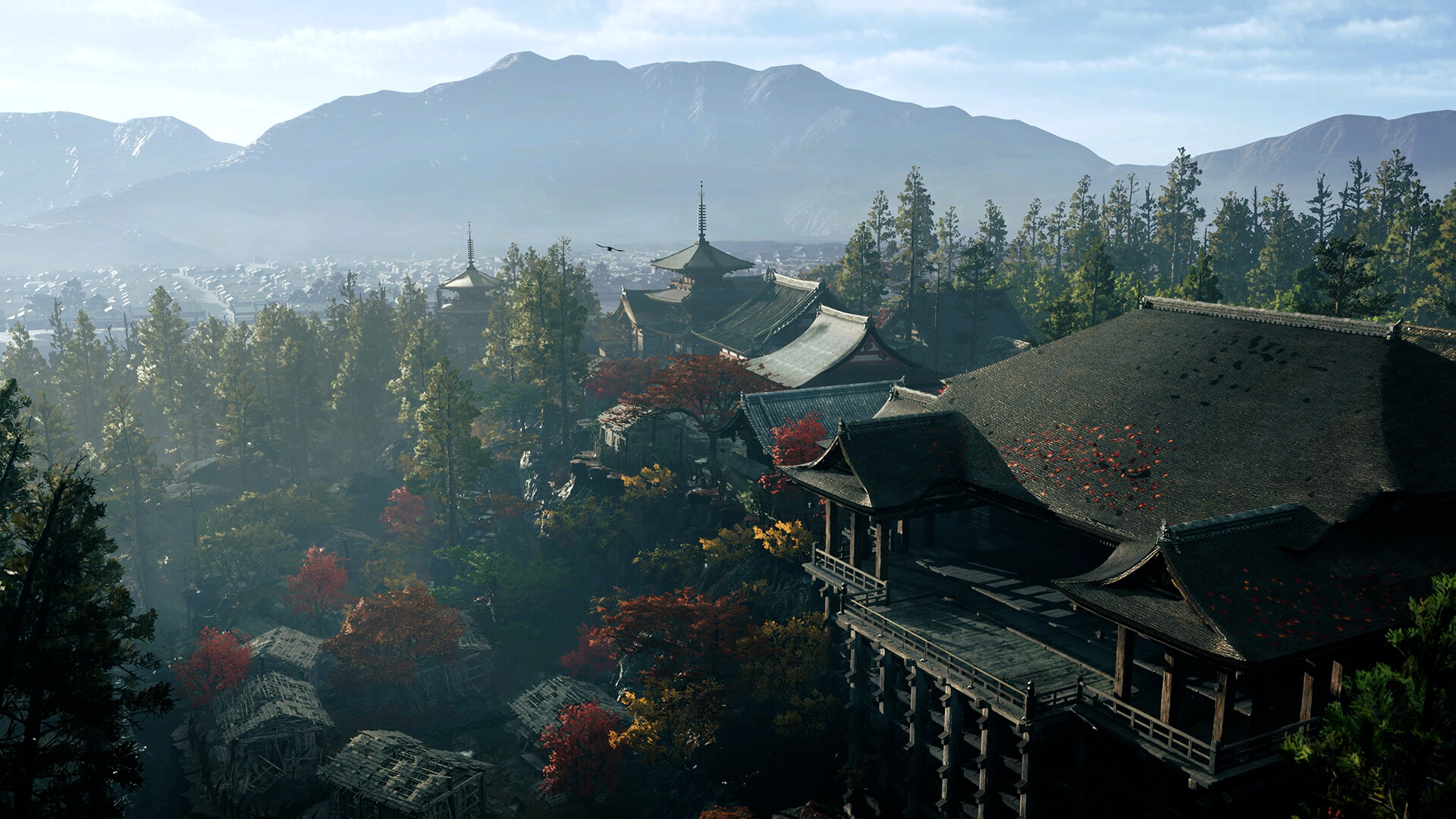
Kyoto acts as a central hub while the main story sends you into different locations around the city and beyond.
As you remove the Genma corruption covering different areas, more of Kyoto opens up, and people gradually return.
There’s something quite satisfying about walking back through an area that previously looked completely screwed and seeing normal life starting to appear again.
Unfortunately, the side content isn’t nearly as interesting as the main story.
A lot of the optional quests boil down to heading back somewhere you’ve already been, killing something, or finding an item.
They’re fine when you’re already exploring an area, but I never found myself particularly excited to stop what I was doing because somebody in Kyoto desperately needed Musashi to perform another errand.
Getting around can also become slightly irritating.
The city is intentionally quite dense and maze-like, which works while you’re first exploring it and searching for hidden items.
Once you’ve already cleared an area and just want to get somewhere, that same design becomes a little less charming.
Thankfully, Spirit Mirrors allow you to fast travel between locations, so it never becomes a complete pain.
Progression
There’s a decent amount of progression available without turning Onimusha into a spreadsheet.
Musashi’s sword, clothing, and Oni Gauntlet can all be upgraded using materials and souls collected throughout the game.
There’s also a skill tree covering combat abilities and the different Oni Armaments.
Charms provide additional bonuses, letting you tweak things like stamina recovery, health, and the effectiveness of certain abilities.
I liked that there was enough here to give me things to work towards without forcing me to spend 40 minutes comparing swords with 0.7% different damage values.
You’re still playing Musashi.
You’re still using his sword.
You’re just gradually making him better at absolutely ruining everything around him.
My only issue is that some upgrades don’t feel quite as meaningful as others.
There were definitely occasions where I’d dump resources into an improvement, go back into combat and wonder whether anything had actually changed.
Bosses
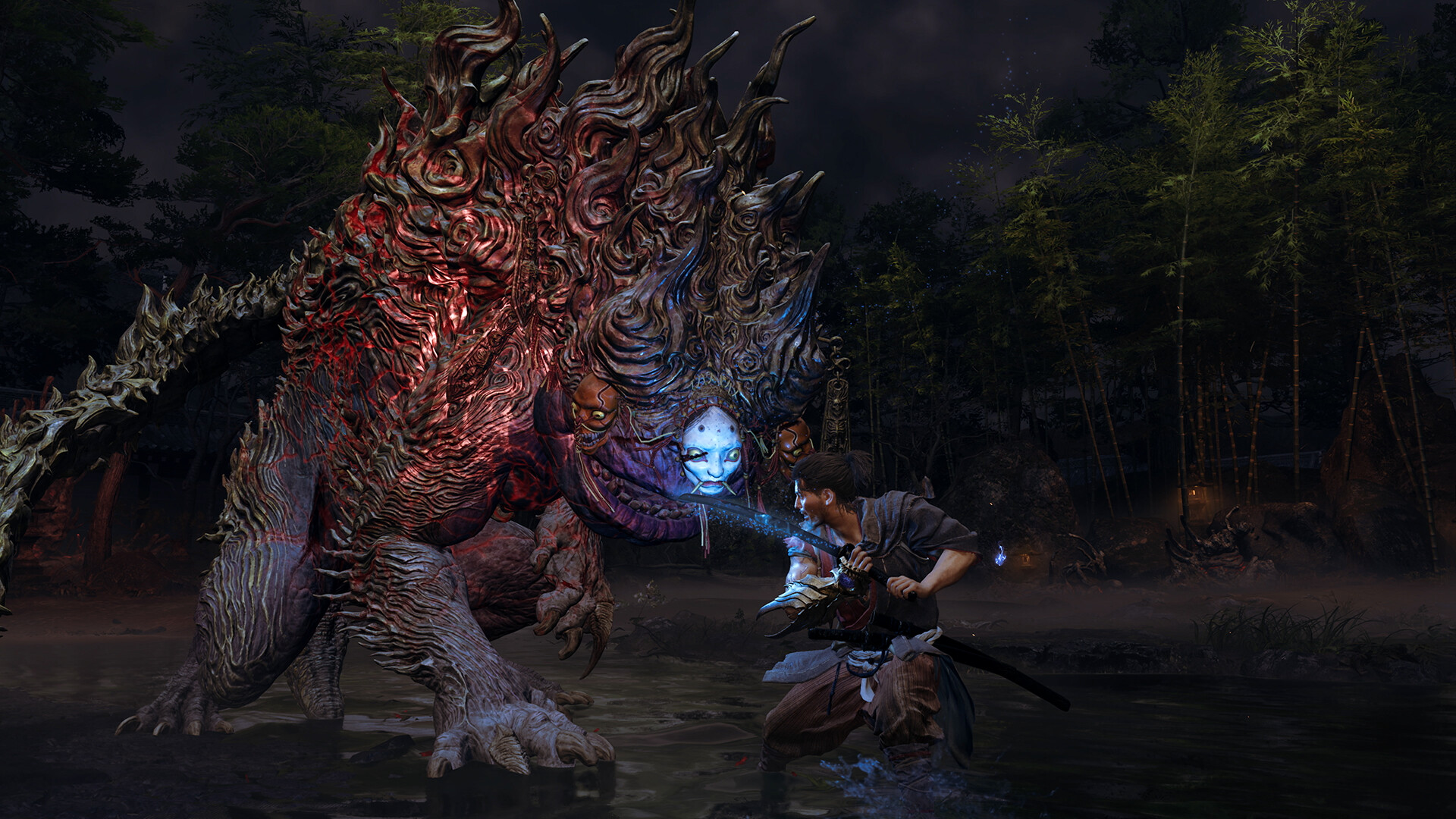
The boss fights are easily some of the highlights.
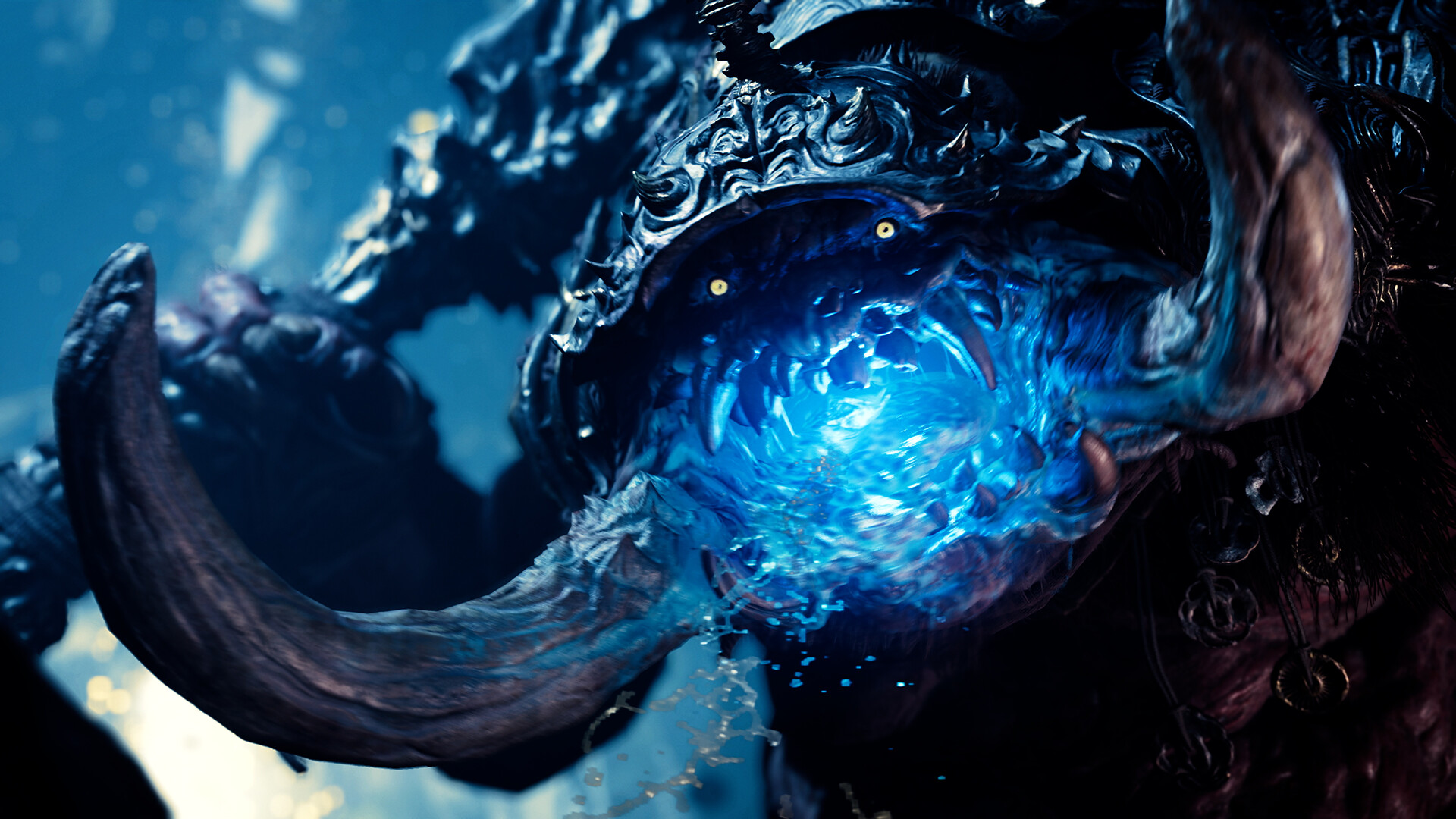
Without spoiling the best ones, Capcom clearly gave the creature designers permission to get weird.
And they absolutely did.
Some of the Genma are disgusting.
Others are just bizarre.
Quite a few manage to be both.
Boss fights generally make excellent use of the combat system too, forcing you to actually understand your defensive options instead of brute-forcing everything.
I did notice some repetition as the game went on, though.
Certain enemies and boss-style encounters begin popping up again, and by the later parts of the game you’ll definitely recognise fights you’ve already dealt with.
That probably wouldn’t bother me as much in a shorter game, but Way of the Sword isn’t particularly short.
By the time I was reaching the end, I would have happily traded some of the repeated fights and side content for a slightly tighter overall experience.
Graphics
Visually, this is another reminder of just how good Capcom’s RE Engine has become.
Way of the Sword looks fantastic.
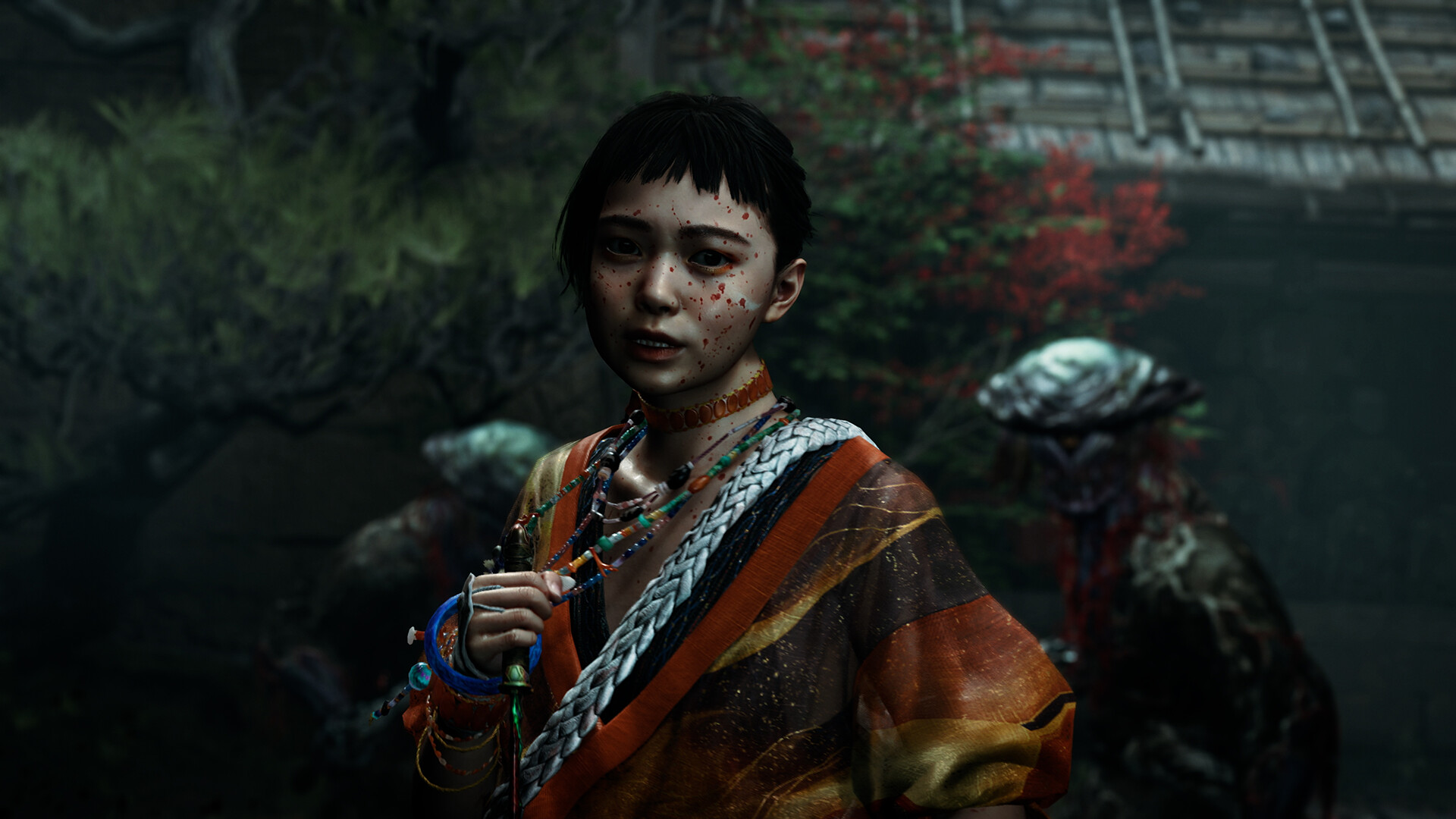
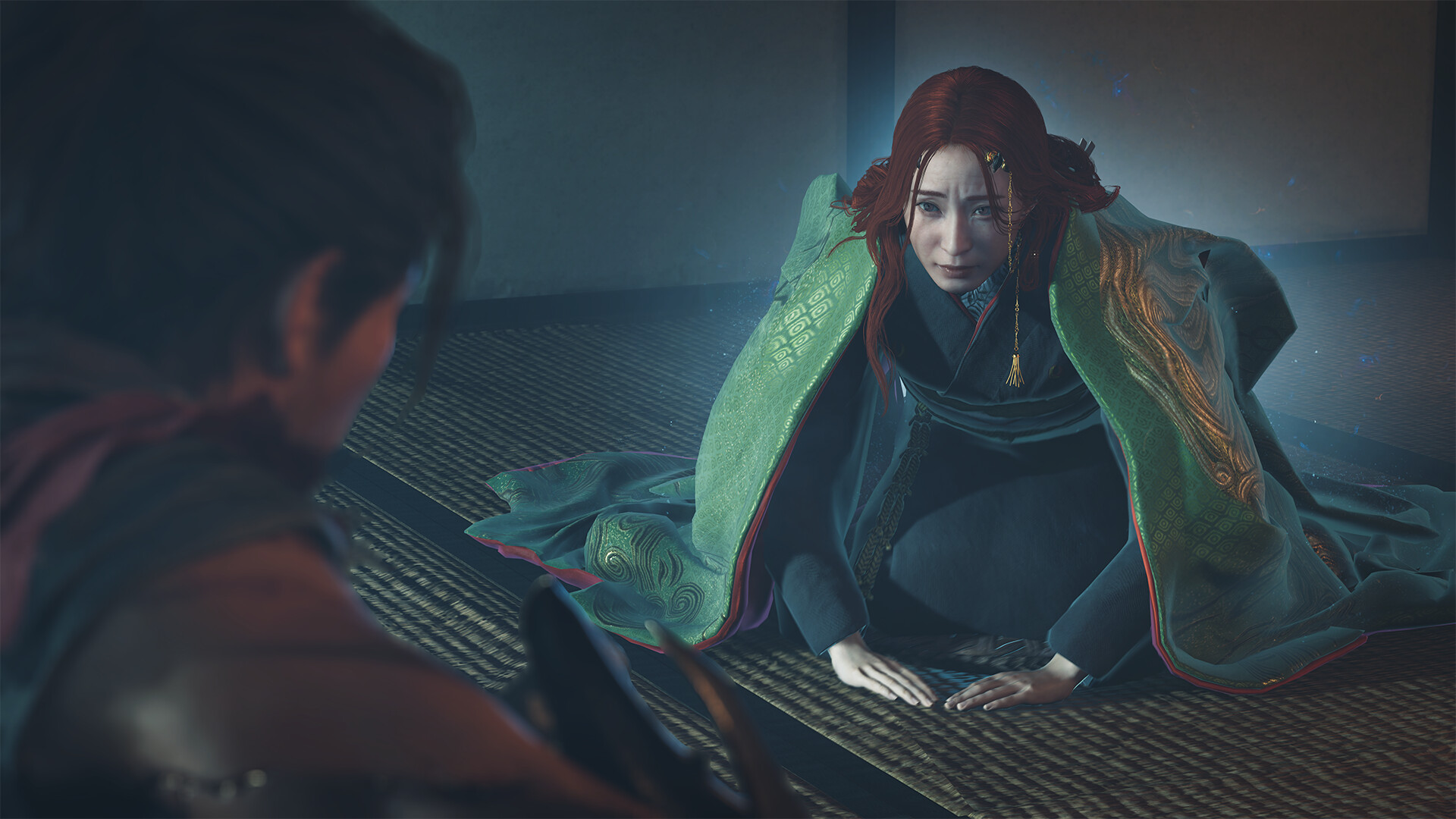
Character faces are extremely detailed, animation during cutscenes is excellent, and Musashi himself gets an impressive amount of personality from facial expressions alone.
Kyoto is equally impressive.
The contrast between traditional Japanese architecture and the horrible Genma corruption spreading through everything gives the game a really distinctive look.
Lighting is excellent, the environments are packed with detail, and the creature designs only become more disturbing as the game continues.
There are some inconsistencies with environmental interaction, though.
You’ll smash through one pile of objects and naturally assume the identical pile sitting two metres away will react the same way.
It won’t.
There are also plenty of doors, buildings and objects that look interactive but aren’t.
It’s hardly a serious problem, but when the environments look this convincing, those invisible limitations become more noticeable.
Audio
The audio does a lot of heavy lifting during combat.
Sword impacts have proper weight behind them.
Parries and deflects don’t just look satisfying; they sound violent.
There’s a really chunky metallic impact when blades connect properly, and it adds a huge amount to the feeling of combat.
The voice acting is also strong throughout.
Musashi could very easily have become annoying given how cocky he is, but the performance manages to make him likeable.
Ganryu is another standout, particularly during some of the more intense moments between the two characters.
The soundtrack generally knows when to stay out of the way and when to ramp things up during bigger encounters.
Performance
I played Onimusha: Way of the Sword on PS5 Pro in Quality Mode with 120Hz output, an unlocked frame rate, and ray tracing enabled. In the first few hours, performance generally hovered in the high 40s to mid-50s, and I never saw it drop below roughly 45fps.
For a game that looks this good, that’s pretty impressive.
Capcom seems to have a very good handle on the RE Engine at this point, and even with the visual settings pushed up, combat still felt smooth and responsive enough for all the parrying, deflecting, and split-second timing the game demands.
Conclusion
Onimusha: Way of the Sword feels like Capcom remembered exactly why people loved this series without being afraid to change it.
It doesn’t try to recreate the PS2 games exactly.
It also doesn’t chase modern trends so aggressively that Onimusha disappears underneath them.
The result sits somewhere in the middle.
You still have Genma, souls, the Oni Gauntlet and Issen attacks, but they’re now wrapped around a much faster and more flexible combat system.
Musashi is also a fantastic choice for the lead.
He’s cocky, funny, stubborn, and incredibly good at killing things, and watching him slowly come to terms with the power forced onto him gives the story more personality than I expected.
There are frustrations.
Some of the side quests are forgettable, enemy encounters start repeating themselves later in the game, and Kyoto can become annoying to navigate once you’ve already explored it.
I also think the overall experience could have been trimmed slightly.
But none of that changes the fact that I had a great time with it.
After waiting this long for another proper Onimusha, Capcom could have played things incredibly safe.
Instead, Way of the Sword feels like the beginning of something again.
And I really hope we don’t have to wait another 20 years for the next one.