I’ll be honest, when MARVEL Tōkon: Fighting Souls was first announced, I wasn’t all that interested in it.
I like Marvel, I know Arc System Works can make a great fighting game, and visually it looked impressive from day one, but the whole 4v4 fighting system sounded like it was going to be complete chaos. Fighting games can already get pretty hectic with two or three characters involved, so throwing eight Marvel characters into the mix sounded like a lot.
After spending proper time with the final game, though, I completely changed my mind.
Tōkon grew on me very quickly, and once I understood what the game was actually trying to do with its team system, I started having a lot more fun with it than I expected.
The game is available on PlayStation 5 and PC, and I played the PS5 version, which is also PS5 Pro Enhanced.
Story
The basic setup is very Marvel.
An Emissary representing the Champion of the Universe arrives on Earth after another planet has already been destroyed. Earth is next unless its heroes can prove that the planet deserves to survive by taking part in a tournament.
So yes, the fate of the world gets decided by everybody beating each other up.
Episode Mode is split between five different teams, and each one gets its own campaign through the tournament.
The story itself is fairly straightforward, but I actually enjoyed the presentation a lot more than I expected to.
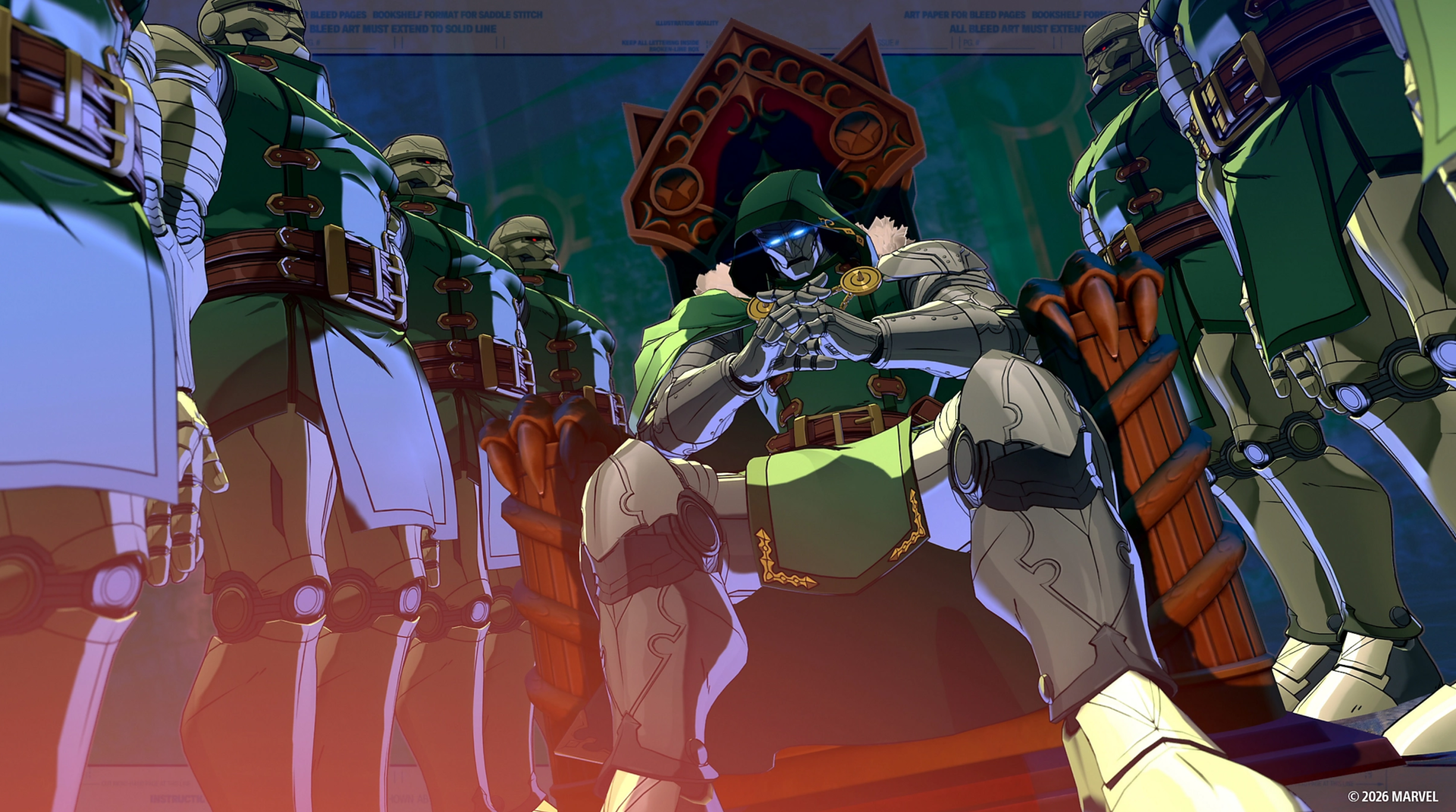
Instead of normal cutscenes, the story is mostly told through animated comic-book panels. The drawings move, effects are added over them and the whole thing feels much more alive than simply flicking through static comic pages.
It fits the game perfectly.
The different teams also give you a good excuse to use characters you might otherwise ignore. I normally find a handful of characters I like in a fighting game and stick with them, but Episode Mode constantly puts different fighters in front of you, so I ended up trying far more of the roster than I probably would have on my own.
There are some genuinely funny moments as well, and the characters actually feel like Marvel characters instead of generic fighting-game versions of them.
The story isn’t going to blow anyone away, but it doesn’t really need to. It gives the characters enough personality, gives you a reason to keep fighting and, most importantly, doesn’t drag itself out unnecessarily.
Gameplay
This is obviously where Tōkon lives or dies.
The game uses 4v4 teams, although it isn’t as insane as that sounds when you first see it.
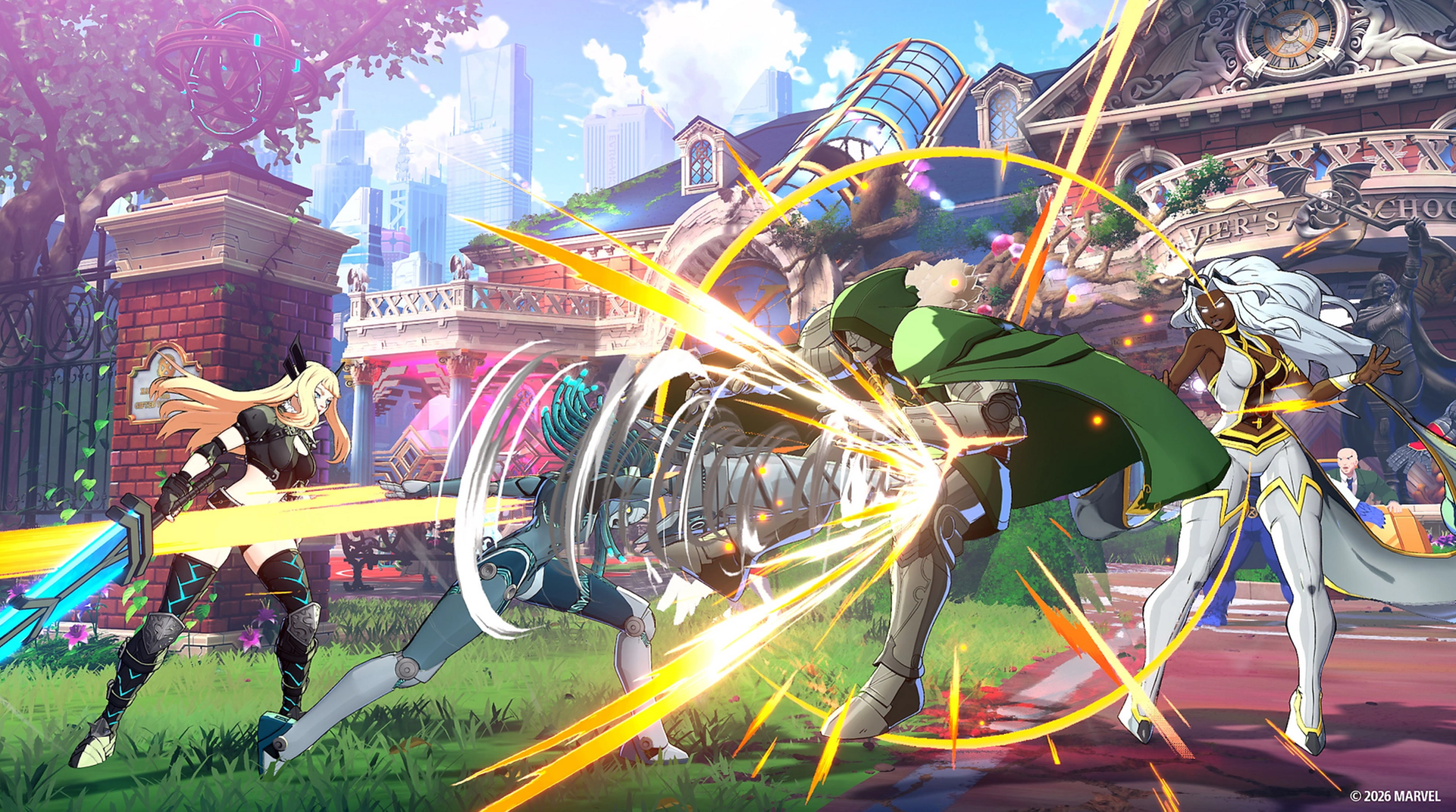
You mainly control one character at a time, while the rest of the team can be brought into the fight through assists and other team mechanics. As the battle develops, more of your team becomes available and suddenly you’ve got a ridiculous amount of options.
At first, I found it a bit overwhelming.
There are attacks, special moves, assists, tags, defensive options and finishing moves all happening very quickly, and when both players have most of their team active the screen can get very busy.
Once I stopped trying to understand everything at once, it became much easier.
You don’t need to master all four characters before you can enjoy the game. You can start with one character you like, learn a few assists that work well with them and gradually build from there.
That made a huge difference for me.
The game also does a good job of not locking newer players out.
You can use traditional fighting-game inputs if that’s what you prefer, but Quick Skills allow special moves to be performed with simpler commands. Link Attacks also make it possible to string together combos without needing to memorise massive input lists immediately.
I like this approach because the game never makes you feel punished for using the easier controls.
You can jump in, press buttons, make cool things happen and actually enjoy yourself.
Then, if you want to take things more seriously, there’s a lot more underneath it.
Learning when to bring in an assist, how different characters work together and how to extend your attacks using the rest of the team adds plenty of depth. The difference between someone who knows the basics and someone who properly understands the system is going to be enormous.
That is probably what surprised me most about the game.
The 4v4 system initially looked like a gimmick.
It really isn’t.
The Characters
The roster is another area where Tōkon gets things right.
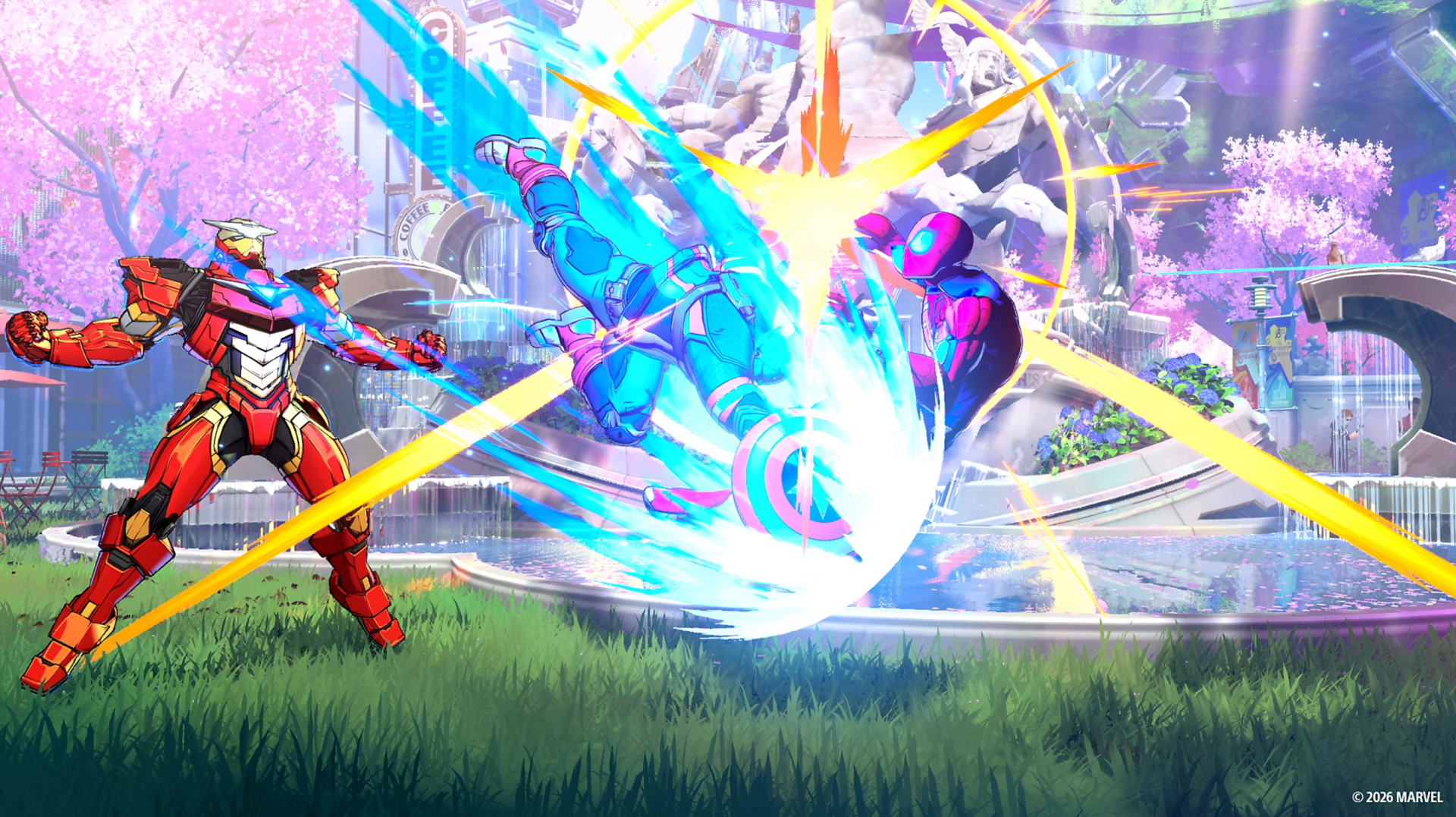
You obviously have the characters you’d expect, including Spider-Man, Wolverine, Iron Man, Hulk and Captain America, but Arc System Works hasn’t only gone for the safest Marvel choices.
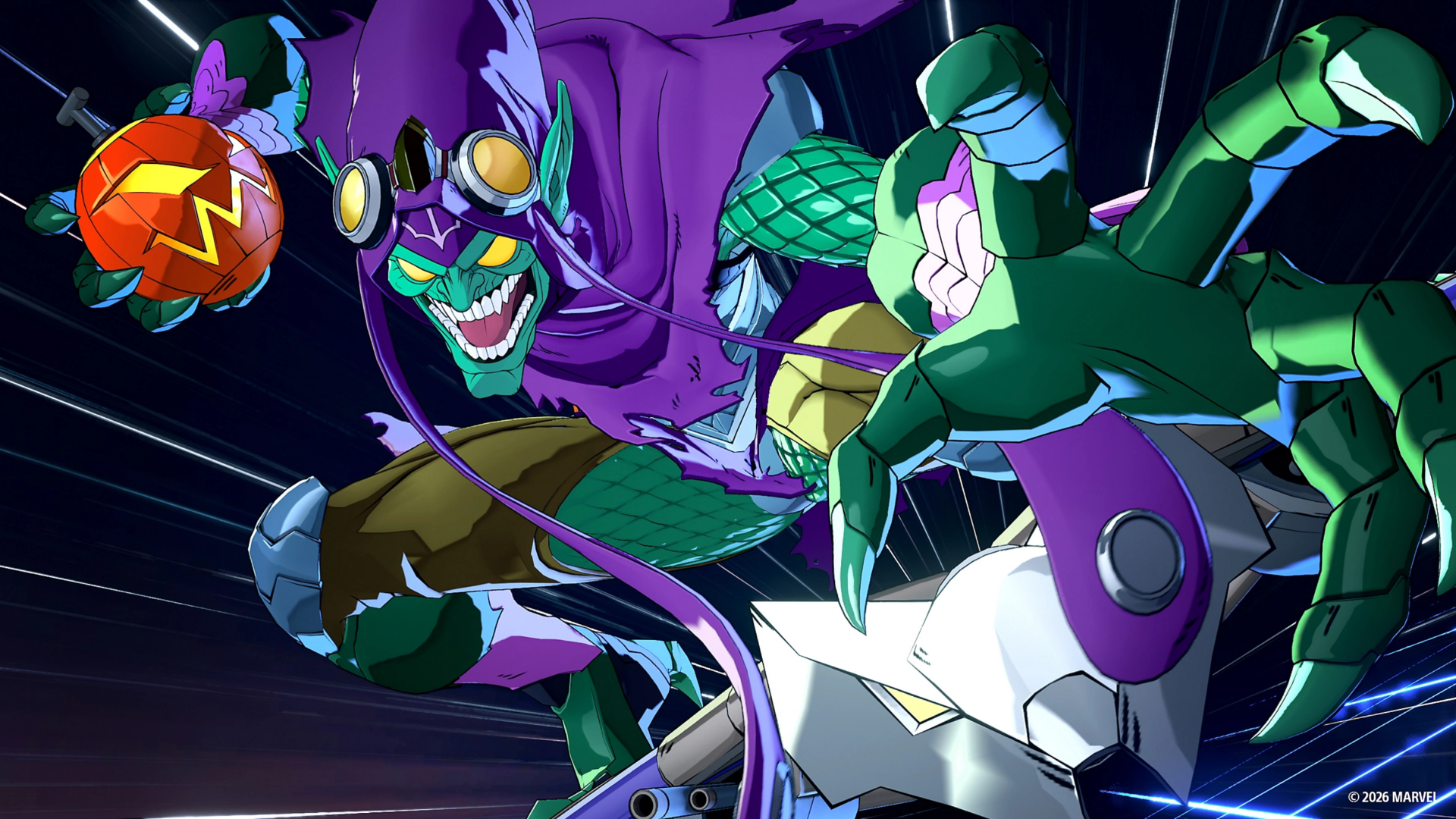
There are some much stranger characters in the lineup as well, and that helps the roster feel different instead of just being the usual Avengers reunion.
More importantly, they actually play differently.
Captain America uses his shield exactly how you’d expect him to. Spider-Man moves around the screen like Spider-Man should. Ghost Rider has mechanics built around his powers, while Peni Parker arrives with a massive mech that takes up what feels like half the screen.
Deadpool is probably one of the best examples of how much fun the developers clearly had making the game.
His attacks are ridiculous, he’s constantly messing around, and he just fits perfectly into an Arc System Works fighting game.
There are enough differences between the characters that changing your team actually changes how you approach a fight, rather than simply changing which Marvel character is standing on the screen.
It Looks Incredible
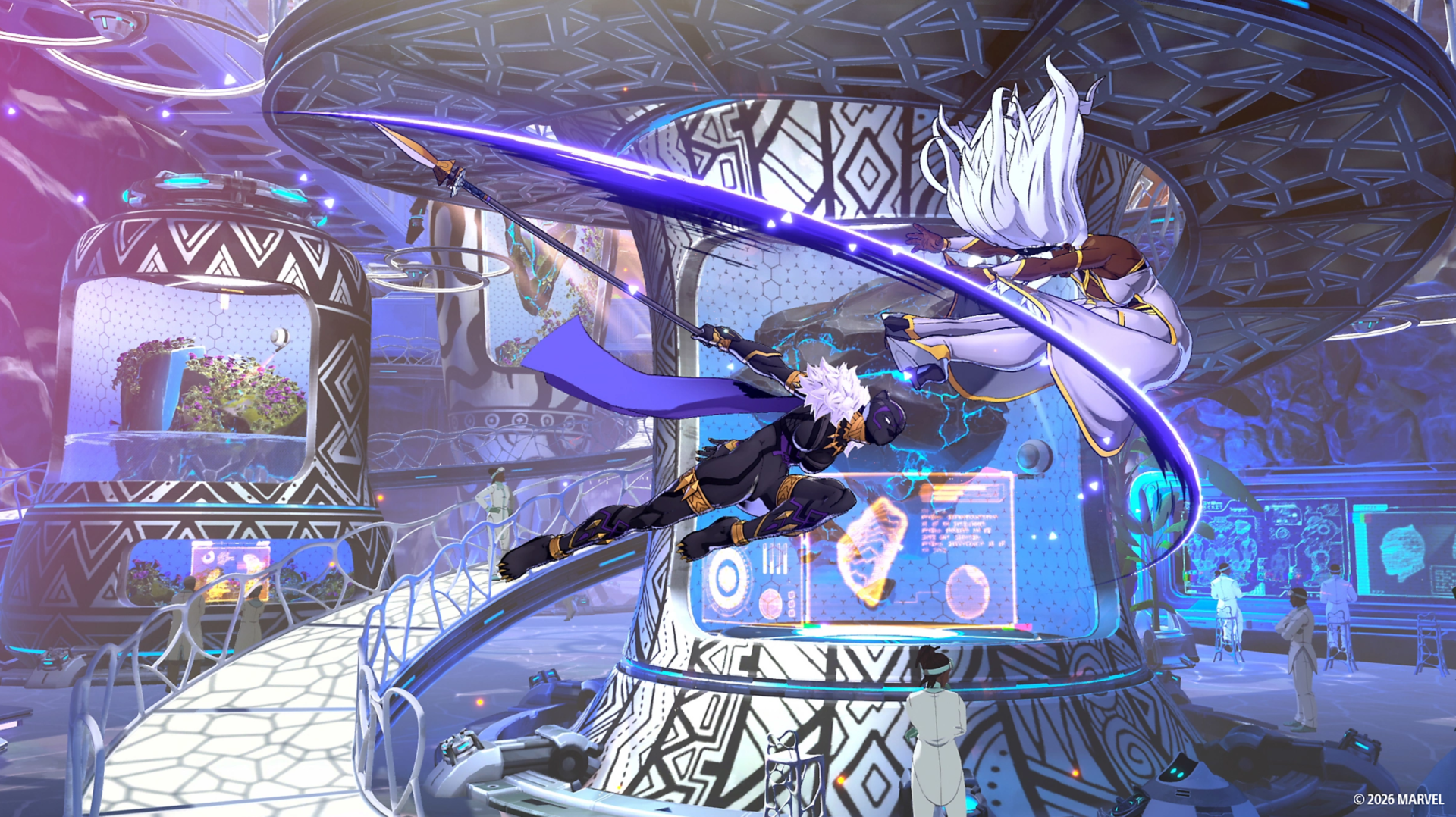
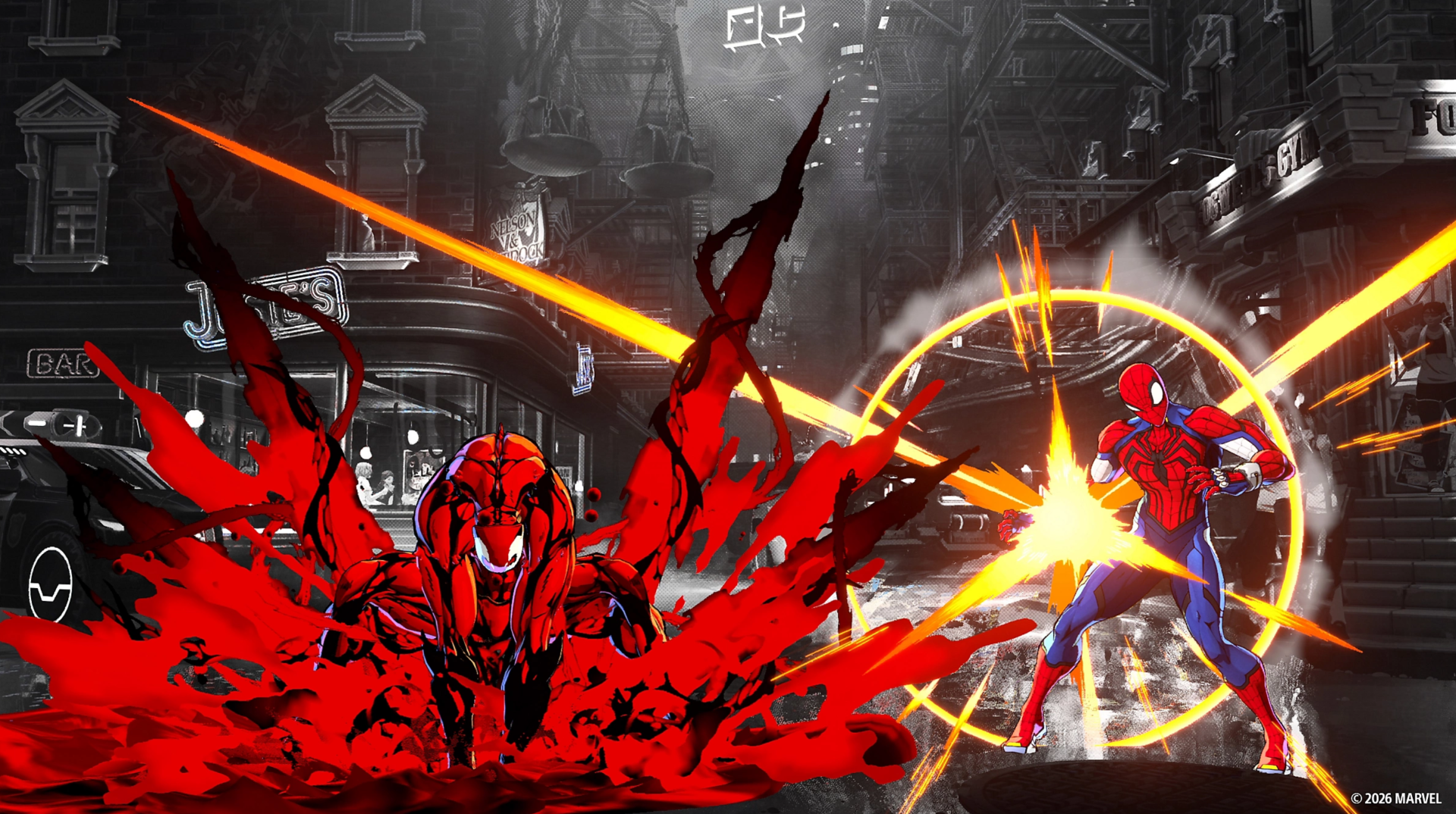
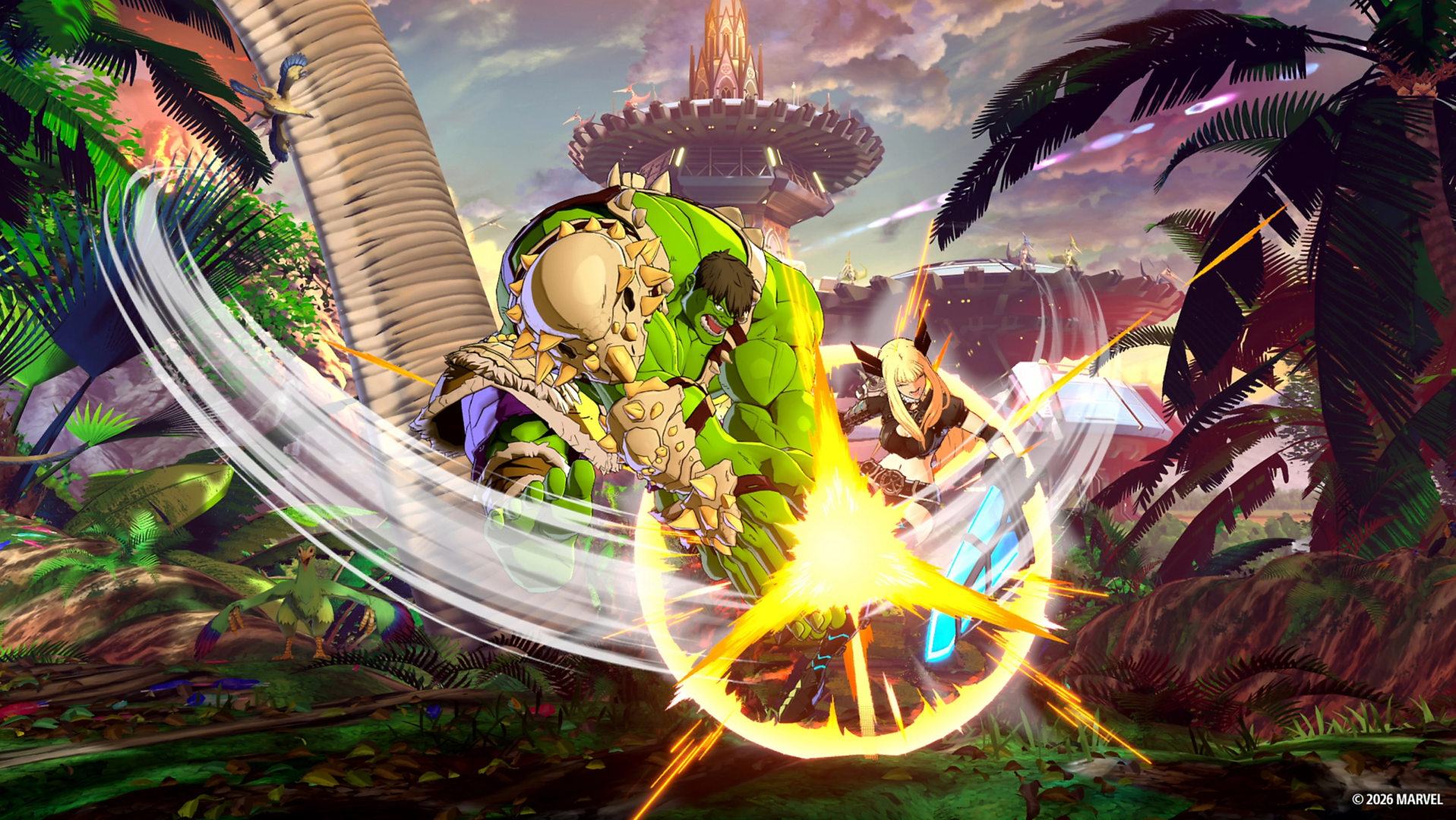
Arc System Works absolutely nailed the visual style.
Tōkon doesn’t try to make these characters look realistic.
Instead, the whole Marvel universe has been pushed through Arc System Works’ anime style, and it works far better than I expected.
Iron Man looks almost like he belongs in a Gundam series, attacks explode across the screen, characters stretch and move in ridiculous ways and everything has this massive amount of energy behind it.
Screenshots honestly don’t do the game justice.
It looks good standing still, but it looks much better when everything is moving.
The stages are also packed with Marvel references and small details in the background.
My only complaint here is that I would have liked a few more stages at launch. What is available looks fantastic, but after playing for a while you do start seeing the same locations fairly often.
The sound design is equally strong.
Characters constantly call out attacks and react to what is happening, which gives fights even more personality. It also helps you recognise what is going on once you become familiar with individual characters and their moves.
The soundtrack jumps around between different styles depending on the character and situation, but somehow it all works together.
I also really liked the DualSense implementation on PS5. It’s not something that completely changes the game, but there are enough small haptic effects throughout fights and the story to make it worth mentioning.
Performance on PS5 has also been excellent during my time with the game.
Game Modes
There is a decent amount to do outside of simply jumping online.
Alongside Episode Mode, you’ve got Training, Versus, Survival, combo challenges and character lessons.
There is also the All-Star Arena, which is closer to the traditional arcade-style fighting game experience and gives you different routes to work through.
Online, you’ve got Casual Matches, Ranked, Room Matches and the Open Lobby.
The lobby uses the little chibi-style avatars we’ve seen in other Arc System Works games, letting you run around, interact with other players and challenge people directly.
There’s also Arcadia Rumble, which is probably the weirdest mode in the game.
It takes those lobby characters and turns them into something closer to a party game.
I don’t see myself spending a huge amount of time with it, but I like that it’s there.
Not every mode needs to become the next competitive obsession.
Sometimes something stupid and fun is enough.
Online play has generally worked very well for me, with rollback netcode keeping matches feeling responsive. As always, your opponent’s connection can still ruin your evening, but the overall experience on PS5 has been solid.
Accessibility
Tōkon also deserves credit for the amount of accessibility support included.
Text-to-speech allows blind and low-vision players to navigate menus and access the different modes independently, which is especially important in a game with this many menus, characters and options.
The sound design also helps considerably during fights.
There is strong stereo separation, characters call out attacks and a lot of useful information can be picked up through audio instead of relying completely on what’s happening visually.
There is still room to improve.
The game doesn’t currently include audio descriptions or proximity geigers, and both would make it easier for visually impaired players to understand positioning during a fight.
Still, what is here already shows that accessibility wasn’t something bolted onto the game at the last minute.
Hopefully that continues improving as the game receives more updates.
Conclusion
MARVEL Tōkon: Fighting Souls surprised me.
I went into it thinking the 4v4 setup was probably going to be too much for me, and during the first few matches I wasn’t entirely convinced I was wrong.
Then it clicked.
Once I understood how the additional characters fit into the fight, the game became much easier to enjoy. Instead of four characters becoming four separate problems to deal with, they became additional tools I could use.
That is where Tōkon really started working for me.
The combat is fast and ridiculous, the characters feel different enough to make experimenting worthwhile and the presentation is some of the best Arc System Works has produced.
It also manages to be easy enough for someone to pick up and have fun without immediately understanding fighting-game terminology, while still having enough going on underneath for people who want to spend hundreds of hours learning every little detail.
I’d still like to see more stages added, and some parts of the 4v4 system take time to understand, but neither of those things stopped me from enjoying it.
What I expected to be a Marvel fighting game I’d play for a few hours and move on from has ended up being something I genuinely want to keep playing.
And that’s probably the biggest compliment I can give it.