

By: Bruce Crossey
In just under a month’s time, a grid of futuristic cars will set off on one of the most remarkable road trips in the world, and not one of them will use a drop of petrol.
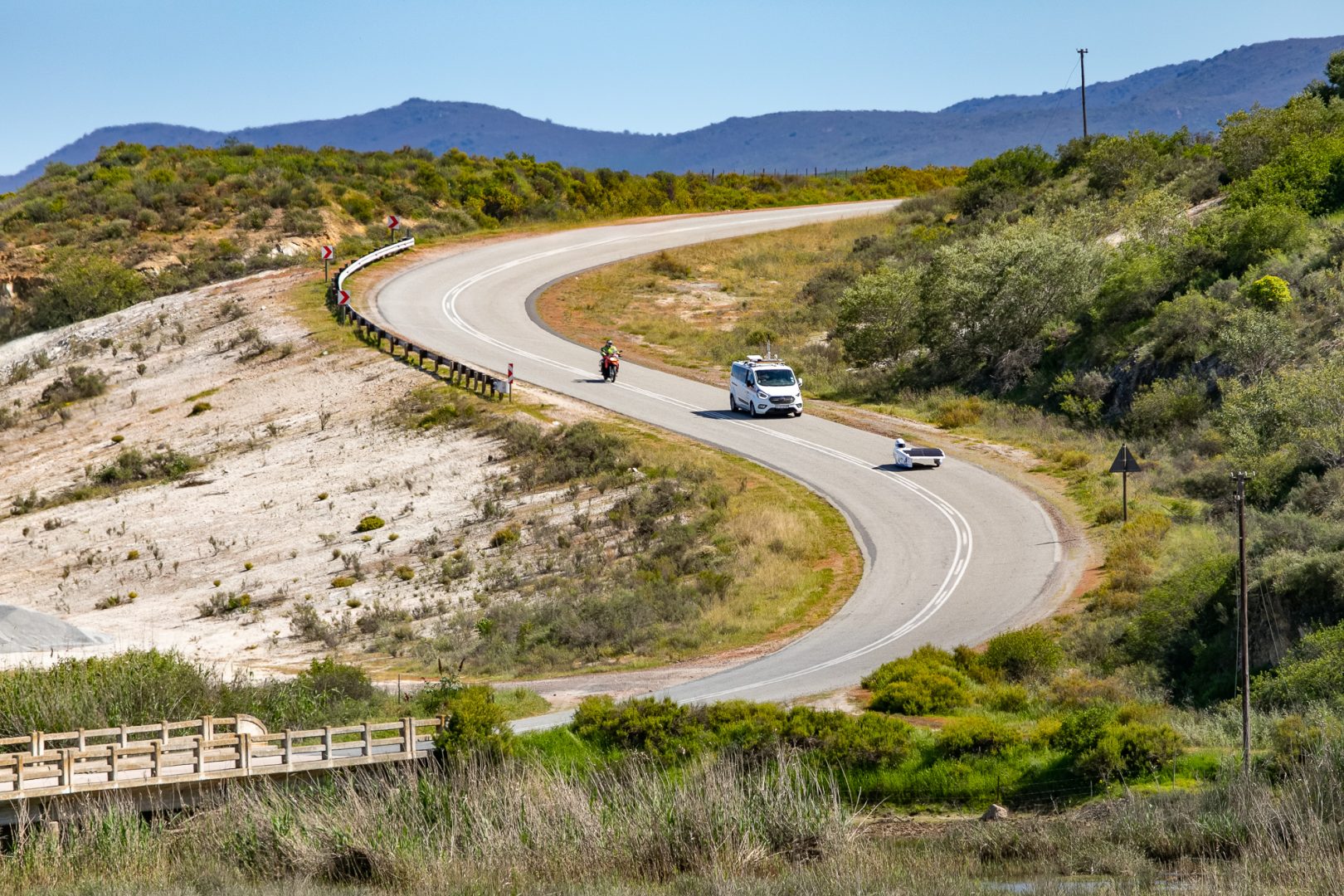
From 10 to 17 September, the 2026 Sasol Solar Challenge will see a fleet of solar-powered vehicles tackle an over 2 500 km journey across South Africa. While distinctly a competitive event, the catch is that this isn’t a traditional race. It’s a distance challenge. The real test isn’t who crosses the finish line first, but who can keep a sun-powered car running, day after day, across the country’s toughest roads and amidst unpredictable weather conditions.
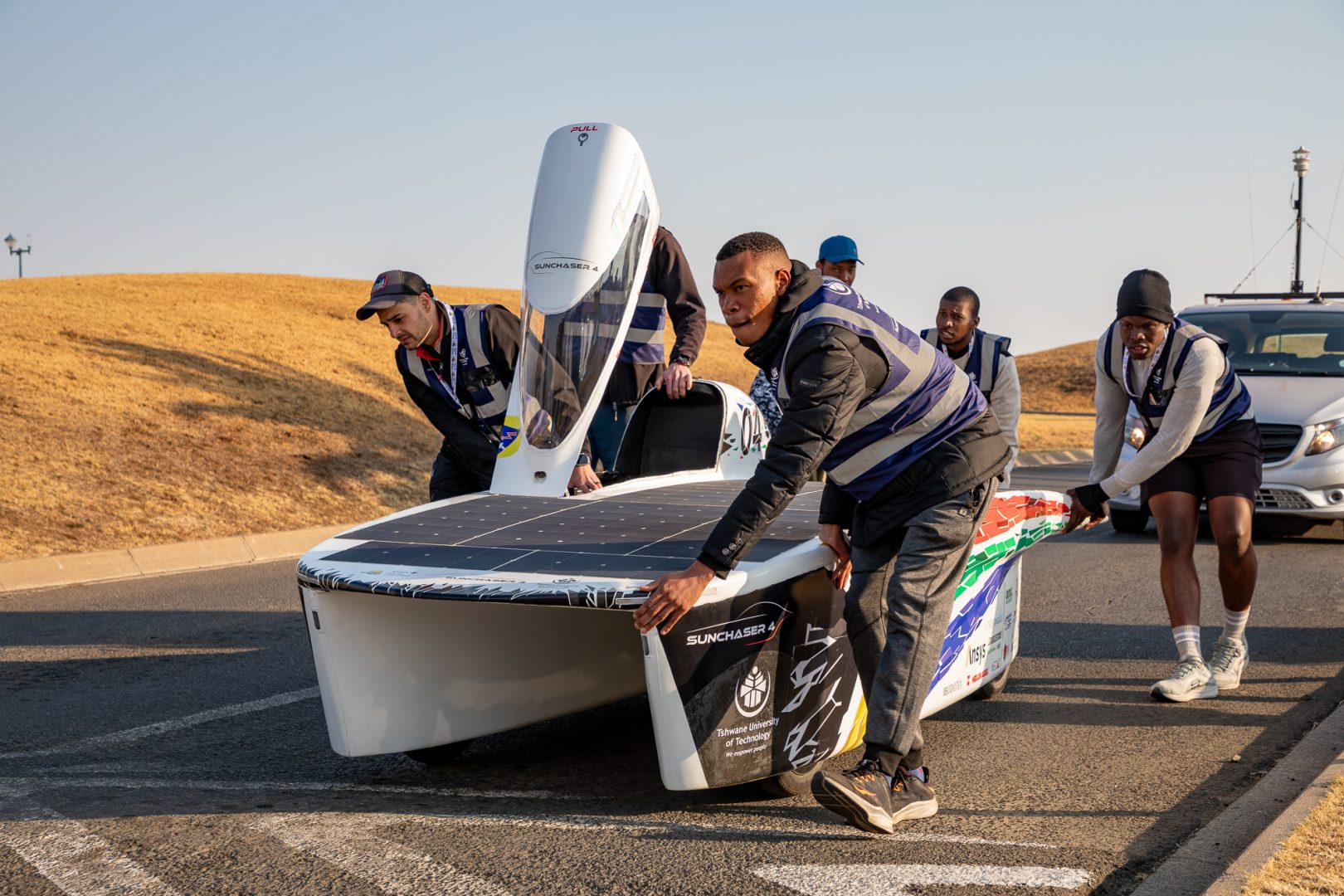
What makes the event so extraordinary isn’t just the distance that needs to be covered. It’s who’s behind the wheel, and even more so, who built the cars in the first place. Homegrown teams including South African universities and independent innovators will take on the Challenge alongside select international crews, giving the event a distinctly local feel, with a touch of international flavour. Every car on the grid must have been designed and built from the ground up by the team driving it, meaning that no two vehicles are the same. The result is that each solar car acts as a rolling engineering thesis, the physical manifestation of years of late nights, failed prototypes, and stubborn optimism distilled into a vehicle that runs on sunlight alone.
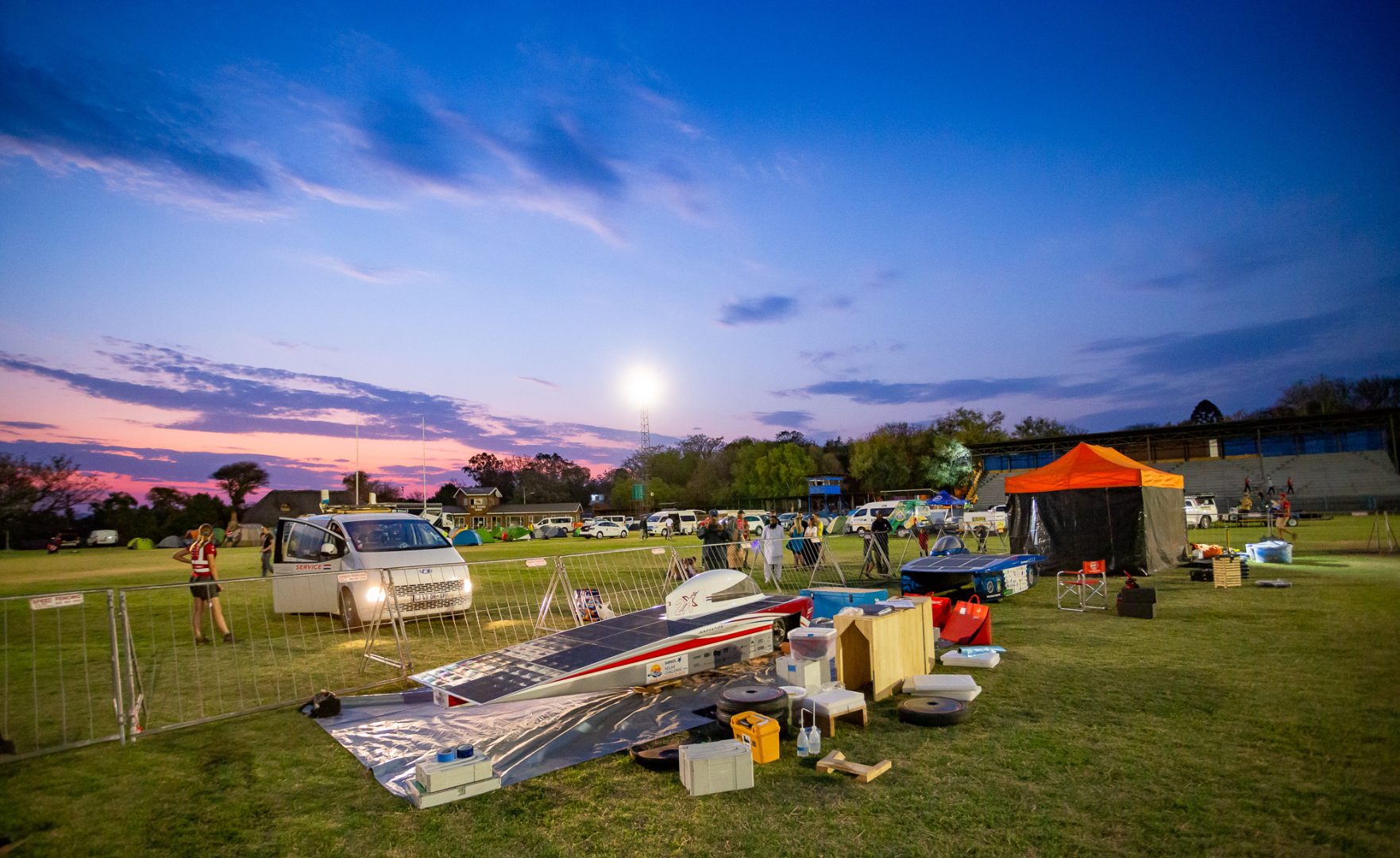
Each day of the Challenge, teams need to cover between 250 and 300 km. This is a serious ask for a car powered only by the sun, especially when South African weather conditions often have other plans. Cloud cover, wind, and heat all become part of the daily calculation, and every team will have to make split-second decisions about speed, energy use, and route strategy just to keep their car rolling to the next stop.
Inspiring the Next Generation Along the Way
The Sasol Solar Challenge doesn’t just showcase engineering talent, it actively seeks to continue growing it. Running alongside the main event is the Schools Programme, an initiative designed to spark awareness, excitement, and opportunity for school learners in science, technology, engineering, and mathematics (STEM).
As the solar cars pass through designated Control Stop towns (compulsory checkpoints teams must reach along the route), the Schools Programme rolls out hands-on activations hosted by industry leaders and field experts. Learners rotate through stations covering solar technology, e-mobility, and robotics, using real toolkits to get a genuine, practical taste of STEM in action.
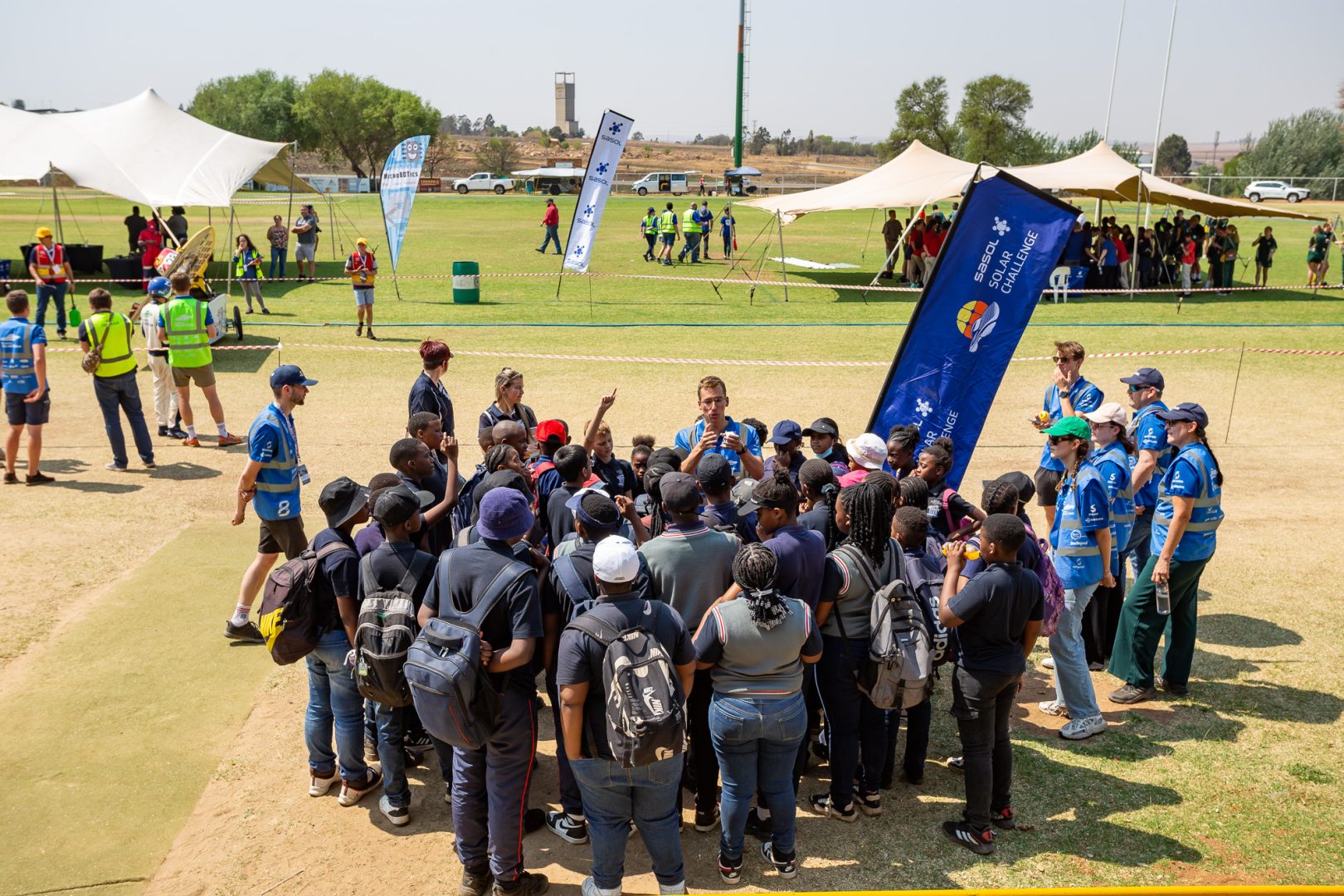
In 2024, the programme reached more than 5 000 learners as the event travelled through towns across the country, many of these in rural locations where hands-on opportunities to engage with tangible STEM concepts are limited. For many of these learners, it’s a rare chance to engage with hands-on science and engineering. Providing the kind of exposure that we hope can quietly change the course of a young person’s future, planting the seed for a career as an engineer, innovator, or thought leader.
Where It All Begins
The excitement kicks off on 8 September with Hot Laps at Red Star Raceway, where the cars get their final checks and teams get a taste of the track before the long road ahead. From there, the cross-country leg of the Challenge runs from 10 to 17 September, weaving through multiple provinces, before teams roll into Franschhoek on 18 September for the final flag drop and a public vehicle expo.
More Than a Challenge
At its heart, the Sasol Solar Challenge is a showcase of southern African STEM flair and engineering resilience under some of the harshest endurance conditions in the world. Here, technical ingenuity, strategy, and grit converge on the open road. It’s a celebration of what young South Africans can achieve when they’re given the chance to dream big and build boldly, and through the Schools Programme, a way of passing that spark on to the next generation watching on from the roadside.
Keep an eye out for these teams next month. They’re not just covering over 2 500 km, they’re helping to push the boundaries of innovation and building South Africa’s future, one solar panel at a time.