

By: Bruce “Silver Fox” Crossey
Attending the South African premiere of Supergirl at the invitation of Warner Bros. SA and Sun Africa Group was the perfect way to experience what is arguably one of DC’s most consequential films in years. Not because it is the most ambitious, the most polished, or even the most highly anticipated — but because Supergirl arrives at a moment when the DC Universe is fundamentally being rebuilt from the ground up under James Gunn‘s vision, and the weight of that context matters.
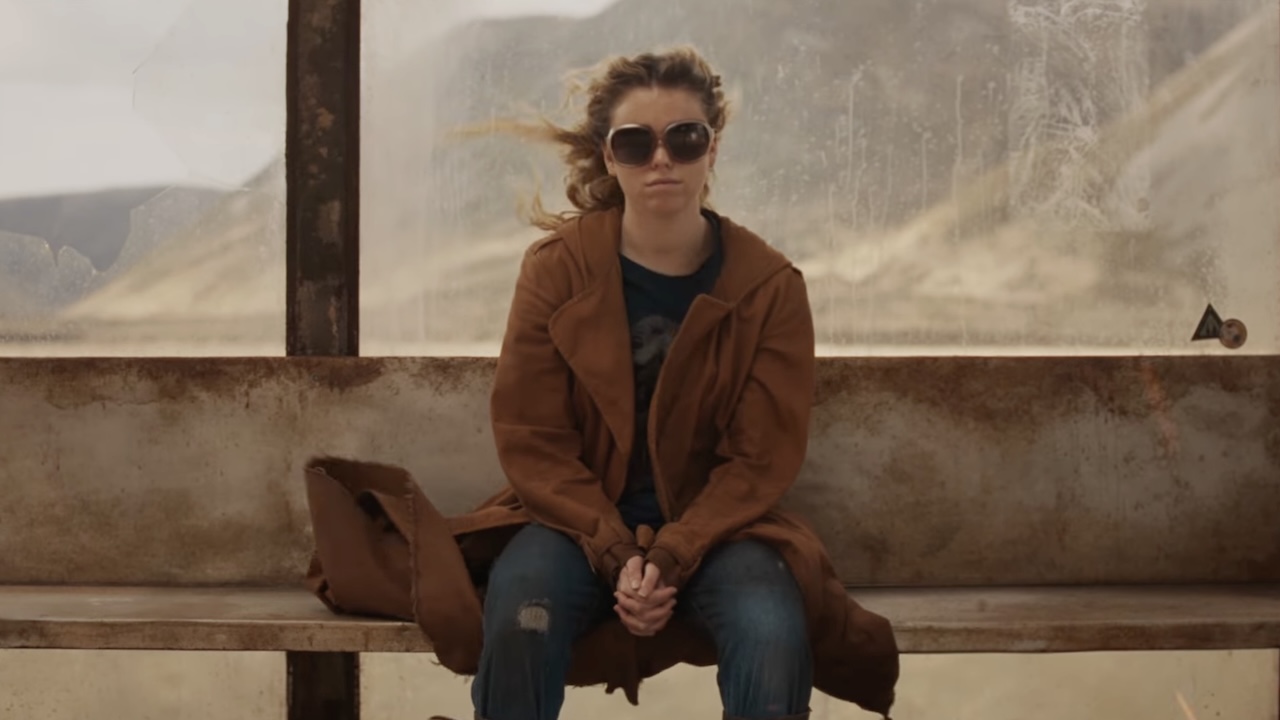
Let’s get Milly Alcock‘s performance out of the way immediately. The young Australian, best known to fans of House of the Dragon, carries this film on her shoulders with an emotional resonance that is genuinely surprising. What Supergirl does particularly well is illustrate why Kara Zor-El differs so fundamentally from her cousin Clark. The grief, loss, and pain of a life Superman never had to face before it was all ripped away from him feels raw in Alcock’s hands. There is a vulnerability beneath the steel that makes Kara feel like a real person navigating an impossible existence, rather than a happy-go-lucky symbol in a cape.

Much of that emotional weight plays out through her relationship with Ruthye, a character in whom Kara clearly recognises something of herself — and whom she constantly cautions against surrendering to the elusive pull of revenge. It is a dynamic with real potential, but one that doesn’t always land as intended. The film’s suggestion seems to be that Kara sees in Ruthye a reflection of what she herself might become if her grief ever had a face to chase — and that is a genuinely compelling idea. But the Supergirl we meet at the film’s opening comes across as so disengaged that it is difficult to believe this relationship would have ignited at all had Krypto not been poisoned (a plot point frustratingly given up by early trailers). That poisoning sets in motion what is, admittedly, a fairly paint-by-numbers fetch quest — but a fun one, and one that opens the door to some of the film’s greatest pleasures.
Because when Supergirl leans into the fantastical, it really finds its feet. The slew of zany aliens, whimsical extraterrestrials, and otherworldly wonders are a sci-fi fan’s dream — and in immersive IMAX, they are nothing short of spectacular. The action sequences are kinetic and expansive, with a sense of scale that reminds you why superhero cinema was made for the big screen. The film also does a commendable job of expanding the potential of this universe — new worlds, new galaxies, and a myriad of new dangers that suggest there is plenty of territory left to explore in the DCU for the foreseeable future.
Where the film stumbles a little though, is in its identity. Where last year’s Superman felt fresh and had a keen sense of its own visual aesthetic, Supergirl occasionally feels like something director Craig Gillespie thought James Gunn would like. The result is an adventure that at times resembles a strange mix of Thor: Ragnarok and Mad Max: Fury Road, filtered through a Guardians of the Galaxy lens and all wrapped up in new DC trim. It is not without charm, but it lacks a clear visual language of its own, and drifts dangerously close to generic sci-fi territory at times. Still, we are only two films into the new DCU, and it is not too late to set a clear course for how this Universe is going to feel moving forward.
The villain, too, is a weak link — and if you’ve read any other review of this film, you already know that. There is broad critical consensus here: the antagonist is thin and underwhelming. For a film so invested in building emotional stakes around its lead, that is a meaningful gap.
There is, however, much to celebrate. Gillespie deserves credit for his tonal restraint. In a film dealing with some genuinely dark and traumatic subject matter, the emotional beats are allowed to land, linger, and breathe without being hastily abbreviated by a slapstick gag. For those who feel that Gunn’s own directorial style occasionally undercuts its most resonant moments with humour, this will be a welcome reprieve.
And then there is Jason Momoa as Lobo. We all suspected he would be a good fit — but seeing him slip into that role makes you feel, with some affection for what came before, that he was always devilishly miscast as Aquaman. Momoa is clearly having the time of his life, and his presence here — even if it feels a little like an audience reception test— leaves you wanting considerably more.
:max_bytes(150000):strip_icc()/Jason-Momoa-Supergirl-trailer-033126-f78e2cd65d6843c9827b62e4235e7ca1.jpg)
Ultimately, based on the strength of Milly Alcock’s performance, the spectacle of its IMAX presentation, and the genuine promise of the universe it is beginning to sketch out, Supergirl is a noteworthy entry into this new chapter of DC. The course needs setting — but the destination looks promising.